
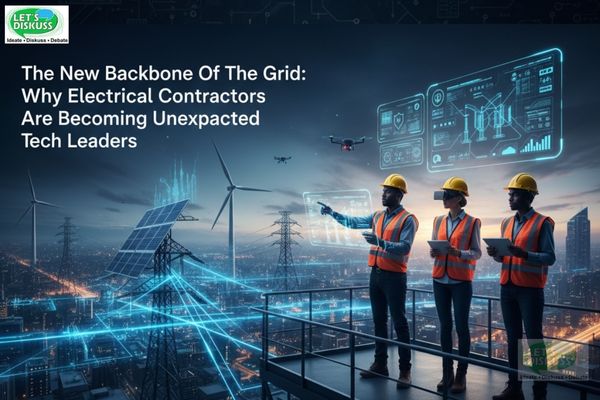
The tech industry loves to talk about breakthroughs in software, apps, and platforms. What often goes unnoticed is how entire trades are quietly stepping into the role of early adopters, shaping how technology gets used in the real world. Electrical contracting is one of those trades. The work may sound old-school at first glance—wiring, lighting, power distribution—but when you look closer, the industry is in the middle of its own digital overhaul. From project management to client communication, the systems running behind the scenes are starting to look less like a clipboard on a jobsite and more like the back office of a Silicon Valley startup. That shift isn’t just making jobs smoother; it’s setting the stage for contractors to be leaders in efficiency, sustainability, and even energy innovation.
Why Efficiency Has Become A New Priority
Electrical work has always been high stakes. A misstep isn’t just inconvenient—it can shut down businesses or halt multimillion-dollar projects. Traditionally, efficiency was about having skilled crews and solid processes. Today, efficiency is increasingly tied to technology. Large-scale contracting firms are expected to coordinate multiple teams across different locations, while smaller shops face pressure to deliver faster without compromising quality. Add in supply chain headaches and rising costs, and the industry has little choice but to tighten its operations with smarter tools.
That’s where digital infrastructure comes in. Instead of paper schedules and phone tag, many contractors are leaning on integrated platforms to track job progress in real time, order materials before shortages hit, and allocate labor where it’s needed most. The companies that once prided themselves solely on technical craftsmanship are now realizing that how they manage their workflow can be just as important as how they pull wire. Those who adapt quickly gain an edge, and the edge isn’t just about saving money—it’s about being able to handle more ambitious projects that push the industry forward.
Technology Tools Shaping The Trade
The conversation around tools isn’t only about drills and testing meters anymore. Contractors are adopting specialized platforms tailored to their work. Some of the most influential developments are in areas like software for electrical contractors, which can handle scheduling, estimating, and compliance tracking in a single system. When integrated with a broader CRM for electrical contractors, those same platforms can turn raw project data into customer insights, helping firms anticipate client needs, improve communication, and strengthen relationships that lead to repeat business.
What makes this shift significant is that it doesn’t just benefit the back office—it changes how crews in the field operate. Cloud-based platforms allow foremen to log updates on tablets, flag issues immediately, and coordinate with suppliers without waiting on calls or emails. For industries where time lost is money lost, this creates a ripple effect of improvements. The end result is a trade that feels less weighed down by paperwork and more focused on the hands-on expertise that sets professionals apart.
Digital Marketing Meets Power Systems
One of the more surprising areas where contractors are stepping up is in digital marketing. In the past, most firms relied on word-of-mouth or repeat contracts. That still matters, but the industry is recognizing the value of showing up where new clients look first: online. Contractors who invest in professional websites, targeted ads, and social media aren’t just advertising; they’re shaping their reputations in a highly competitive space.
This isn’t about flashy campaigns—it’s about credibility. When potential clients see a firm that’s easy to find online, showcases its past projects, and provides clear ways to connect, it sends a message of professionalism and modernity. For large-scale contracts especially, perception matters. Marketing has become less of an optional add-on and more of a strategic necessity. The firms that treat their online presence with the same seriousness as their safety standards are often the ones landing bigger, better projects.
Sustainability And Smart Systems At The Forefront
Broader conversations about sustainability and smart energy management are creating new opportunities and responsibilities for contractors. As buildings incorporate smart lighting, EV charging stations, and advanced monitoring systems, contractors are no longer just installers—they’re integrators of technology. Their role now includes understanding how electrical systems connect with renewable energy sources, automation platforms, and future-ready infrastructure.
This shift requires a different kind of skillset. It blends traditional trade expertise with technological fluency. Contractors who embrace this intersection are finding themselves on the front lines of the green energy movement. Instead of being seen as service providers, they’re becoming trusted partners in designing smarter, more efficient environments. That repositioning could redefine how the public perceives the trade altogether.
How Smaller Firms Are Catching Up
It might seem like only the big players have the budget to embrace new tech, but smaller firms are proving that the barrier to entry isn’t as high as it once was. Cloud-based systems have become more affordable, and many are designed with scalability in mind. A three-person shop can start with basic project management tools and gradually add layers as they grow. This flexibility allows smaller contractors to punch above their weight, competing with larger firms not by outspending them, but by being more agile.
There’s also a generational element at play. Younger electricians entering the field are often more comfortable adopting new tools and systems. They see technology not as an added burden but as a natural extension of the work. For them, pulling up a digital blueprint on a tablet is just as intuitive as flipping through a paper one. This cultural shift is accelerating adoption and creating an industry where digital competence is as valuable as traditional know-how.
The Bigger Picture Of Innovation In The Trade
What makes the story of electrical contracting so interesting is that it reflects a broader truth about modern industries. Every field, no matter how hands-on or rooted in tradition, is being reshaped by technology. But unlike industries where tech often overshadows human skill, here it complements it. The best electrical contractors aren’t abandoning their craft for software—they’re using technology to amplify it. The software doesn’t wire a building, but it makes sure the people who do are in the right place, with the right materials, at the right time.
That mix of old and new is what gives this transformation staying power. Contractors remain the people who make sure lights turn on, systems run smoothly, and projects stay safe. What’s changing is how they get there, and the tools they use to do it. The future of the trade doesn’t look like a departure from tradition; it looks like tradition evolving in ways that make it even more relevant in a tech-driven world.
Closing Perspective
Electrical contracting may not have the same spotlight as software startups or AI labs, but its quiet transformation carries weight. As contractors embrace smarter tools, refine how they connect with clients, and step into roles as partners in sustainable development, they’re redefining their trade for the future. This shift isn’t about abandoning the hands-on expertise that built the industry; it’s about giving that expertise new reach and relevance. The wires may stay hidden in the walls, but the evolution of the people installing them is becoming harder to miss.