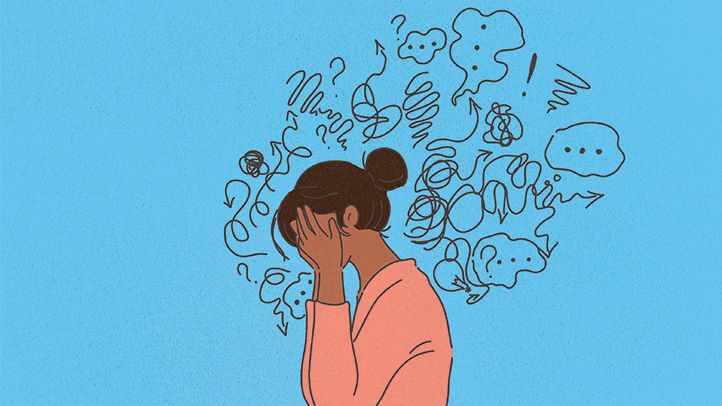
An anxiety disorder is a mental health condition in which a person experiences persistent and overwhelming fear, worry, or nervousness that is difficult to control. These feelings can interfere with work, relationships, studies, sleep, and everyday activities.
Almost everyone experiences anxiety at some point. Before I learned about anxiety disorders, I used to think they were the same thing. I've experienced anxiety too, especially during stressful situations, but later I understood that feeling anxious occasionally is completely normal. An anxiety disorder is different because the fear, worry, or nervousness becomes excessive, lasts for a long time, and starts affecting daily life.
What Are the Symptoms?
Symptoms can vary from person to person, but common signs include:
-
Constant worrying or overthinking.
-
Feeling restless or unable to relax.
-
Rapid heartbeat.
-
Difficulty concentrating.
-
Trouble sleeping.
-
Feeling tense or irritable.
-
Avoiding situations because of fear.
-
Panic attacks in some cases.
Having one or two of these symptoms occasionally doesn't necessarily mean someone has an anxiety disorder. The diagnosis depends on how severe, frequent, and long-lasting the symptoms are.
What Causes Anxiety Disorders?
There isn't a single cause.
Several factors may contribute, including:
-
Genetics.
-
Long-term stress.
-
Traumatic experiences.
-
Certain medical conditions.
-
Brain chemistry.
-
Major life changes.
Often, it's a combination of these factors rather than just one.
Can Anxiety Disorder Be Cured?
Many people ask whether anxiety disorder can be completely cured.
The good news is that anxiety disorders are highly treatable, and many people experience significant improvement with the right support. Treatment focuses on reducing symptoms, improving daily functioning, and helping people manage anxiety effectively.
Depending on the individual, treatment may include:
-
Cognitive Behavioral Therapy (CBT).
-
Other forms of psychotherapy.
-
Medication prescribed by a qualified doctor when needed.
-
Stress management techniques.
-
Lifestyle changes.
The best treatment plan varies from person to person, so it's important to consult a mental health professional.
Healthy Habits That Can Help
Along with professional treatment, certain daily habits may support better mental well-being:
-
Regular physical exercise.
-
Good-quality sleep.
-
Meditation or mindfulness.
-
Limiting excessive caffeine if it worsens symptoms.
-
Spending time with supportive friends and family.
-
Deep breathing or relaxation exercises.
-
Maintaining a balanced daily routine.
These habits don't replace medical treatment, but they can complement it.
Anxiety Disorder at a Glance
| Feature | Details |
|---|---|
| What It Is | A mental health condition involving excessive and persistent anxiety |
| Common Symptoms | Excessive worry, overthinking, restlessness, sleep problems |
| Possible Causes | Genetics, stress, trauma, brain chemistry, life events |
| Treatment | Therapy, medication when appropriate, and lifestyle changes |
| Can It Improve? | Yes, many people improve significantly with proper treatment |
Feeling anxious from time to time is part of being human, but when anxiety becomes persistent and starts interfering with everyday life, it may be an anxiety disorder. The encouraging news is that effective treatments are available, and many people learn to manage their symptoms successfully with professional support and healthy daily habits. Seeking help is a sign of strength, not weakness.
Must Read: How do you manage Anxiety Attacks?
About the Author:
Nitya Sharma writes research-backed health content covering mental health, wellness, nutrition, and common medical conditions. By combining reliable medical research with clear, reader-friendly explanations, she helps readers better understand important health topics and make informed decisions.