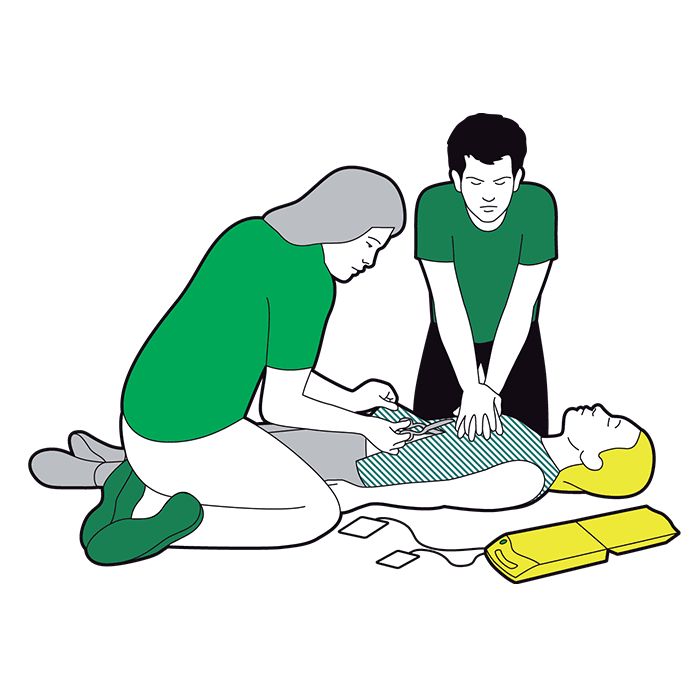
What is CPR?
CPR stands for Cardiopulmonary Resuscitation, which is an emergency medical procedure performed to revive a person who has stopped breathing or whose heart has stopped beating. CPR is a combination of chest compressions and rescue breaths that are designed to circulate oxygenated blood to vital organs such as the brain, heart, and lungs. CPR can help maintain vital functions until medical professionals arrive or until the person can be transported to a medical facility for further treatment. It is a potentially life-saving procedure that can be learned by anyone as you can easily learn CPR with CPR Training, and it is especially important for those who work in professions such as healthcare, first response, or childcare.
Source:- google
Wy we do CPR?
CPR is done to help maintain the vital functions of a person who has suffered a cardiac arrest or stopped breathing. When the heart stops beating, or when breathing stops, the body's vital organs, such as the brain and lungs, are deprived of oxygen. This can lead to irreversible brain damage or death within minutes.
CPR helps to circulate oxygenated blood to the vital organs, providing them with the oxygen they need to function until medical professionals can take over. Chest compressions and rescue breaths are used to mimic the pumping action of the heart and the movement of air in and out of the lungs, respectively. By doing CPR, you can potentially save a life, prevent brain damage, and increase the chances of a full recovery for the person who has stopped breathing or whose heart has stopped beating.
SOurce:- google
Also Read :-What is a CPR face shield and why is it important in performing CPR?
 Answered by