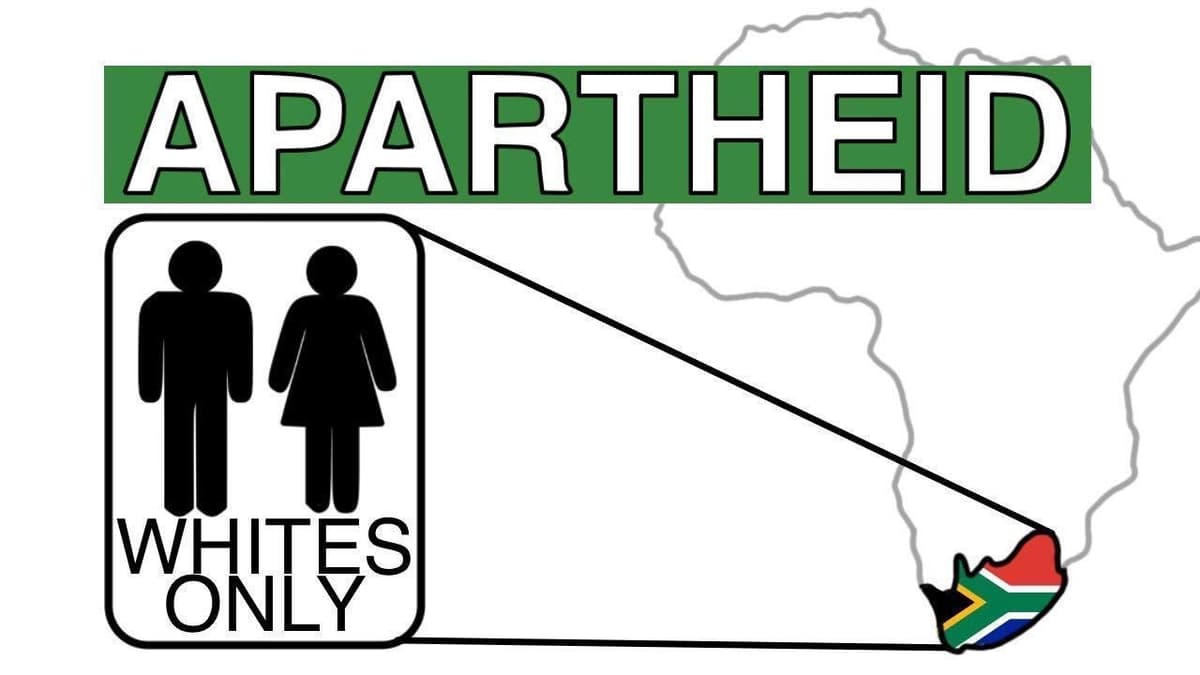
Apartheid was a system of racial segregation and discrimination that existed in South Africa from 1948 to the early 1990s. The word "apartheid" literally means "apartness" or "separateness" in the Afrikaans language.
To be honest, apartheid wasn't just about separating people based on race; it was a government-enforced system that controlled where people could live, work, study, travel, and even whom they could marry.
The word "apartheid" comes from Afrikaans, a language developed in South Africa that has roots in Dutch.
The policy officially began in 1948, when Daniel François Malan and the National Party came to power. Their government introduced a series of laws that classified people into different racial groups and gave far greater rights to the white minority than to everyone else.
I think this is what made apartheid different from ordinary discrimination; it wasn't just prejudice between individuals. It was written into the country's laws and enforced by the government.
Apartheid affected almost every aspect of daily life.
Some of its main features included:
-
People were classified into racial groups such as White, Black, Coloured, and Indian.
-
Different racial groups had separate schools, hospitals, public transport, beaches, and other public facilities.
-
Black South Africans needed special pass documents to travel or work in certain areas.
-
Many families were forcibly removed from their homes and relocated to designated areas.
-
Voting rights and many political freedoms were denied to the Black majority.
I have noticed that many people think apartheid only meant separate facilities. In reality, it controlled nearly every part of a person's life and created deep social and economic inequalities.
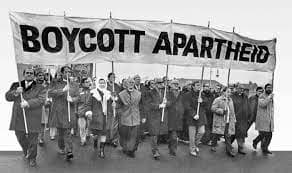
Opposition to apartheid grew over several decades, both within South Africa and internationally.
One of the most important figures in the movement against apartheid was Nelson Mandela, who spent 27 years in prison for opposing the system.
By the early 1990s, growing public resistance, international sanctions, and political negotiations led to the gradual dismantling of apartheid. In 1994, South Africa held its first fully democratic election, and Nelson Mandela became the country's first Black president, marking the official end of apartheid.
Although apartheid officially ended more than 30 years ago, its effects can still be seen today.
Many communities in South Africa continue to face economic inequality, differences in education, and unequal access to opportunities that were shaped by decades of racial segregation.
At the same time, apartheid has become an important historical example of why equality, human rights, and democratic values matter. It is studied around the world to help prevent similar systems of discrimination from happening again.
Although the system officially ended in 1994, its history continues to remind the world of the importance of justice, equality, and protecting human rights for everyone.
Must Read: Where is south africa located?