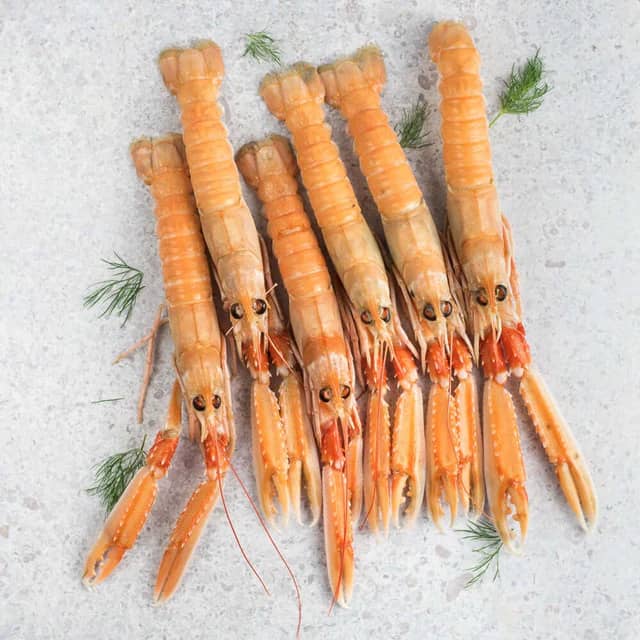
Delving into the Delicacy: The Norwegian Lobster Unveiled
When it comes to the world of seafood, there are endless varieties that grace our tables with their flavorsome presence. From the succulent treasures of the ocean's depths to the delicate delights of freshwater lakes and rivers, seafood enthusiasts are in for a treat. Among the diverse array of aquatic delights, one name often stands out: the Norwegian lobster. But is it really a lobster or something entirely different? Let's dive into the depths of the culinary sea to unravel the mystery behind this delectable delight.
The Enigmatic Alias: Norwegian Lobster
As seafood aficionados, we are accustomed to various names being used interchangeably for the same delicacy. Such is the case with the "Norwegian lobster," which is also known by the name "langoustine." The langoustine (Nephrops norvegicus), despite its moniker, isn't a lobster in the traditional sense. It belongs to the same crustacean family as lobsters, known as Nephropidae, but it boasts its own unique characteristics that set it apart.
A Closer Look: Langoustine vs. Lobster
Langoustines are crustaceans that inhabit the cold waters of the North Atlantic Ocean, particularly in regions around Norway, Scotland, and the Mediterranean Sea. They exhibit a slenderer and more delicate form compared to their larger, bulkier lobster relatives. Their size generally ranges from 5 to 8 inches, making them significantly smaller than most lobsters. Their delicate, thin claws further distinguish them from lobsters, which are renowned for their meaty pincers. Lobsters, on the other hand, encompass a broader range of species, with the American lobster (Homarus americanus) and the European lobster (Homarus gammarus) being the most well-known. These creatures are larger in size and possess hefty claws that contribute to their iconic appearance.
Flavor Profile and Culinary Delights
While langoustines might not share the exact characteristics of lobsters, they more than compensate with their exquisite flavor. Often described as sweet and succulent, langoustine meat is a true delight for seafood enthusiasts. Its tender texture and slightly sweet taste make it a prized ingredient in various cuisines across the globe. From delicate salads to rich pasta dishes, langoustines have a way of elevating every recipe they grace.
Harvesting and Sustainability
The Norwegian lobster, or langoustine, plays a significant role in both local and international culinary scenes. The harvesting of these creatures supports the livelihoods of many fishermen in regions where they are abundant. However, like many other seafood species, langoustine populations have faced challenges due to overfishing and environmental changes. To ensure the sustainability of langoustine populations, various initiatives and practices have been put into place. These include regulated fishing seasons, size limits, and the use of traps that allow smaller individuals to escape and continue breeding. Sustainable fishing practices are essential to maintaining the delicate balance of marine ecosystems while also satisfying the demands of seafood enthusiasts worldwide.
In Conclusion: A Taste of Norway
In the world of seafood, names often hold intriguing stories, and the Norwegian lobster is no exception. While it may not be a true lobster, the langoustine's distinct qualities make it a culinary gem in its own right. Its delicate form, sweet flavor, and versatility in the kitchen ensure that it continues to delight food lovers and chefs alike. So, the next time you're presented with the option of savoring a Norwegian lobster, you can impress your companions with the knowledge that you're about to enjoy the delectable meat of a langoustine. Remember, it's not about the size or the name; it's about the unforgettable culinary experience that awaits.

.jpeg&w=1080&q=75)