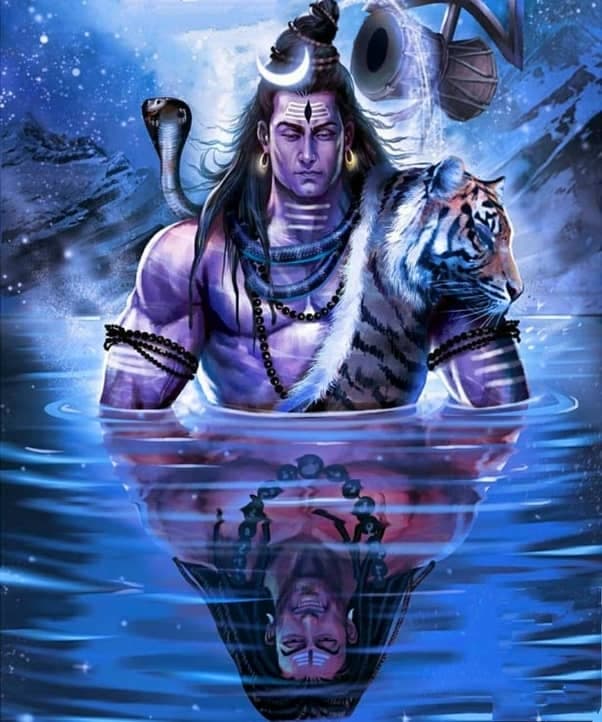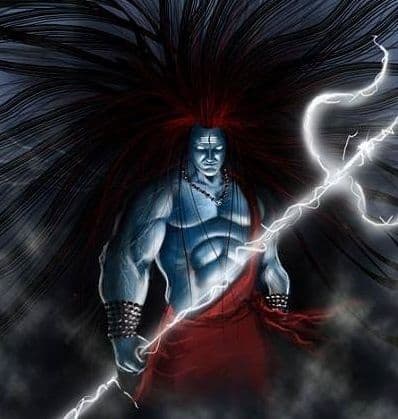
Lord Shiva, a prominent deity in Hinduism, is often associated with both destructive and benevolent qualities, embodying a complex and multifaceted nature. While some aspects of Lord Shiva's character may be perceived as dangerous, it is essential to understand the nuanced interpretation of his role in Hindu mythology.
Shiva, the third god in the Hindu triumvirate, is known as the destroyer of the universe, responsible for paving the way for beneficial change through destruction and recreation. Hindus believe that Shiva's powers of destruction are not arbitrary but rather serve a constructive purpose, eliminating illusions and imperfections to facilitate renewal. This destruction is seen as a necessary step in the cycle of creation, preservation, and dissolution that governs the universe.
One of the most iconic representations of Shiva's power is his consumption of the dangerous poison Halahala during the churning of the ocean, as described in Hindu mythology. When the poison emerged, threatening all life, the demigods sought refuge in Shiva, who, out of compassion and benevolence, drank the poison to save the world. This act highlights Shiva's willingness to endure suffering for the greater good, emphasizing his compassionate nature and selfless devotion to protecting life.
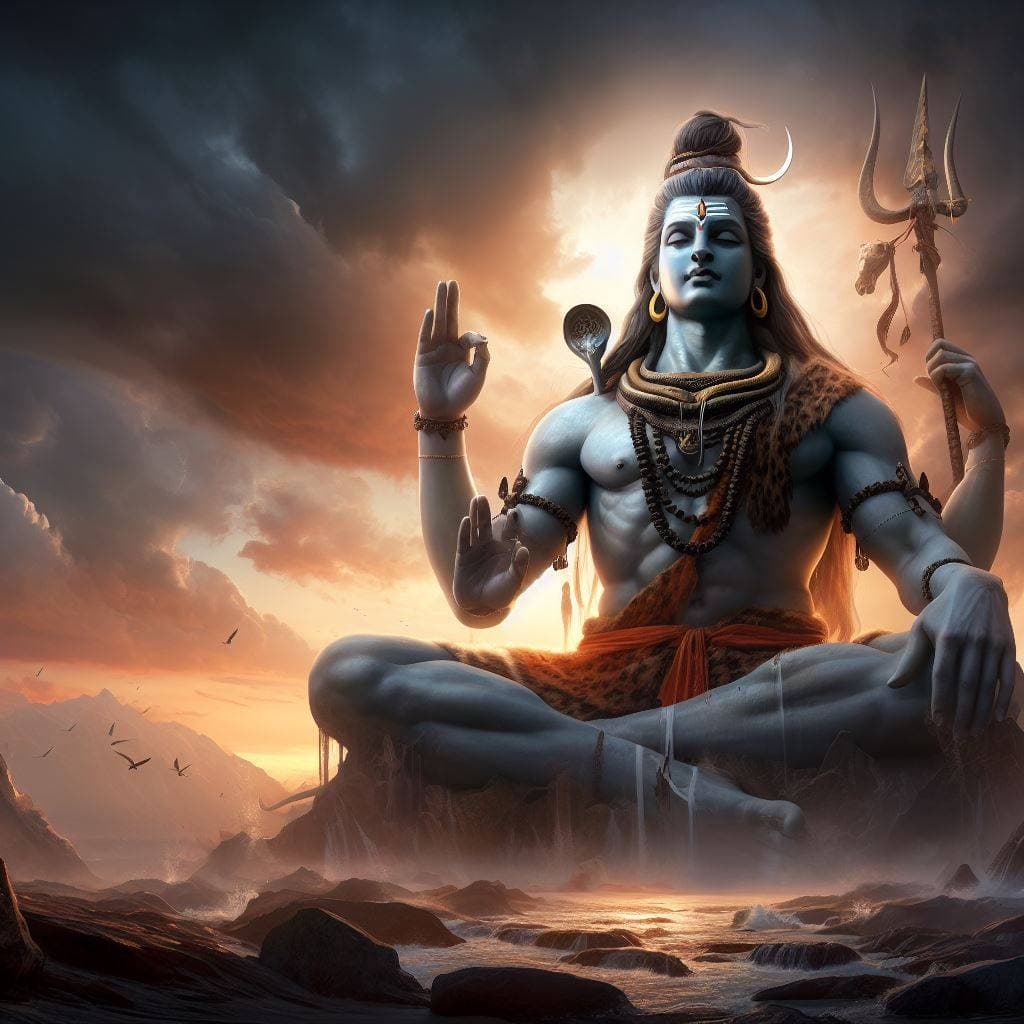
Shiva's relationship with his wife, Parvati, plays a crucial role in balancing his extreme characteristics. Their union allows Shiva to embody both asceticism and passion within the boundaries of marriage, showcasing a harmonious duality in his persona. Despite being the destroyer, Shiva is often depicted as smiling and tranquil, symbolizing a sense of inner peace and serenity amidst his powerful nature.
In addition to his destructive aspect, Shiva is revered as the source of creation, symbolized by the Shiva linga, a phallic statue representing his raw power and masculinity. The linga is believed to embody the seed of the universe, underscoring Shiva's role in the continuous cycle of creation and dissolution. Worshippers of Shiva celebrate Mahashivratri, a festival where the Shiva linga is bathed in water, milk, and honey as a form of reverence and devotion to the deity.
Shiva's various avatars further illustrate his diverse manifestations and roles in Hindu mythology. From the Bhairava Avatar, where Shiva carries the skull of Brahma as a form of penance, to the Veerabhadra Avatar born from his hair strand, each avatar showcases different facets of Shiva's character and his interactions with the world. These avatars highlight Shiva's ability to adapt to different situations and challenges, embodying different forms to fulfill specific purposes.
While Lord Shiva's depiction may include elements that can be perceived as dangerous, such as his destructive powers and untamed passion, it is crucial to view these aspects within the broader context of Hindu mythology. Shiva's multifaceted nature encompasses both destructive and creative forces, symbolizing the cyclical nature of existence and the balance between opposing qualities within the divine realm.
In conclusion, Lord Shiva's portrayal as a deity with dangerous attributes must be understood in the context of his role as the destroyer and creator in Hindu mythology. His actions, such as consuming poison to protect the world and embodying both asceticism and passion, reflect a complex and profound understanding of the divine nature that transcends simplistic interpretations of danger. Shiva's character embodies a harmonious blend of opposing qualities, symbolizing the intricate balance of life, death, and rebirth in the cosmic order of the universe.
Also Read :- What is the powerful Jyotirling temple of Lord Shiva?
 Answered by