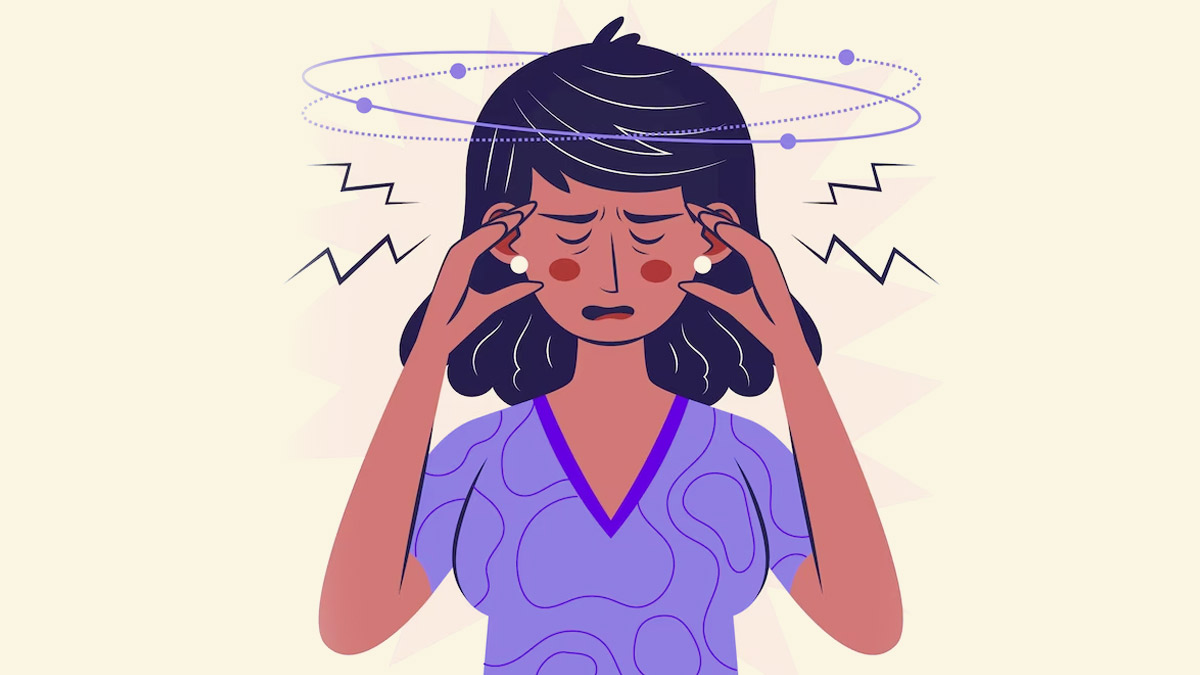
Vertigo, a spinning or lightheaded feeling, is a symptom, now not an actual ailment. It is commonly defined as the feeling that you or your environment are spinning or shifting. The underlying reasons for this difficult sickness range, and its severity and period range throughout humans. Determining the right path of motion for remedy and control of vertigo can be facilitated with the aid of expertise of its reasons.

Peripheral Causes of Vertigo
- The most frequent reason for vertigo is benign paroxysmal positional vertigo (BPPV), it is delivered by using the dislodgment of minuscule calcium carbonate crystals (otoconia) inside the inner ear. As a result of those crystals moving into the semicircular canals, the mind receives fake indicators regarding head movement and aberrant fluid displacement. Changes in head posture are frequently the purpose of this illness, which motives brief bouts of immoderate dizziness.
- Meniere's ailment is an inner ear disease that is typified using repeated bouts of vertigo, variable listening loss, tinnitus (ear ringing), and an ear-fullness sensation. Although the appropriate motive is unknown, an excessive volume of fluid (endolymph) in the internal ear is believed to be the perpetrator.
- A condition known as perilymph fistula occurs when one of the membranes between the inner and middle ears tears, allowing perilymph fluid to leak into the central ear. It may be the result of surgical headaches, abrupt modifications in barometric stress (such as those seen at the same time as scuba diving), or head trauma. Vertigo, unbalance, and listening loss are some of the symptoms.
- An unusual contamination called Superior Canal Dehiscence Syndrome (SCDS) is brought on with the aid of a thinned or absent bone protecting one of the semicircular canals of the inner ear. This results in an aberrant 1/3 window developing within the internal ear, which causes imbalance and vertigo, especially in the presence of loud noises or versions in the middle ear strain.
Central Causes of Vertigo
- Vertigo is a primary symptom of vestibular migraine, which may be a form of migraine that is associated with vertigo. It is a concept to be because of aberrant mind activity related to migraine approaches. Vertigo attacks can vary in length from a few minutes to many days, and they're frequently observed through headache, light and sound sensitivity, and nausea.
- Vertigo may be a symptom of a stroke or brief ischemic attack (TIA), which damages the brainstem or cerebellum, regions concerned with balance and coordination. These assaults are frequently abrupt and consist of extra neurological symptoms together with speech obstacles, vulnerable points, or numbness in one aspect of the body.
- The autoimmune infection known as multiple sclerosis (MS) damages the myelin sheath that surrounds nerve fibres and affects the central apprehensive device. Vertigo may additionally quit as a result of MS-associated damage to mind regions associated with balance. Depending on the place and volume of the nerve damage, signs and symptoms would possibly range substantially.
- Brain Tumours: Vertigo can be delivered through mind tumours, especially those that are inside the brainstem or cerebellum. Dizziness and difficulties with coordination may additionally result from the tumour’s strain on systems associated with balance and spatial orientation because it develops. Movement difficulties, complications, and visible abnormalities are feasible greater signs and symptoms.

Other Causes of Vertigo
- Head Injury: Head trauma, together with a concussion, can harm the brain's stability-associated structures or the inner ear, which may result in vertigo. Depending on the amount of the harm, vertigo following a head damage may additionally range intensive and duration.
- Ototoxic Medications: An amount of medicine can damage the inner ear and set off vertigo. These include some antibiotics (like gentamicin), medicines applied in chemotherapy (like cisplatin), and loop diuretics (like furosemide). The length of therapy and dosage of ototoxic drugs affect the likelihood of vertigo.
Diagnosis and Treatment
Complete scientific records, bodily examination, and possibly similar testing, which includes listening to exams, stability opinions, and imaging strategies (e.g., MRI or CT scans), are essential to diagnose the underlying cause of vertigo. Depending on the cause that has been found, treatment options might be:
Drugs:
- Antihistamines for motion infection, together with meclizine.
- Antiemetics for nausea, which includes promethazine.
- Benzodiazepines, which encompass diazepam, for vertigo are delivered via tension.
Vestibular Rehabilitation:
Sports from bodily treatment geared toward enhancing stability and lowering mild-headedness.
.png&w=1200&q=75)
The Epley Manoeuvre
- A sequence of head motions used in BPPV surgical operation to realign out-of-place otoconia.
- In immoderate instances of perilymph fistula or Meniere's disorder.
Modifications in Lifestyle:
Dietary changes, stress cut prices, and warding off triggers.
There are many remarkable motives for vertigo, starting from most importantly mind abnormalities to problems with the peripheral inner ear. For management and remedy to be successful, it is critical to pick out the best motive. It's crucial to search for scientific attention in case you are afflicted by excessive or habitual vertigo an excellent way to identify the underlying purpose and get the remedy you need. Many humans with vertigo can discover comfort and enhance their amazing existence with the proper diagnosis and treatment.
Answered By Sumil Yadav
Author