


Mexico's Presidential Election System:
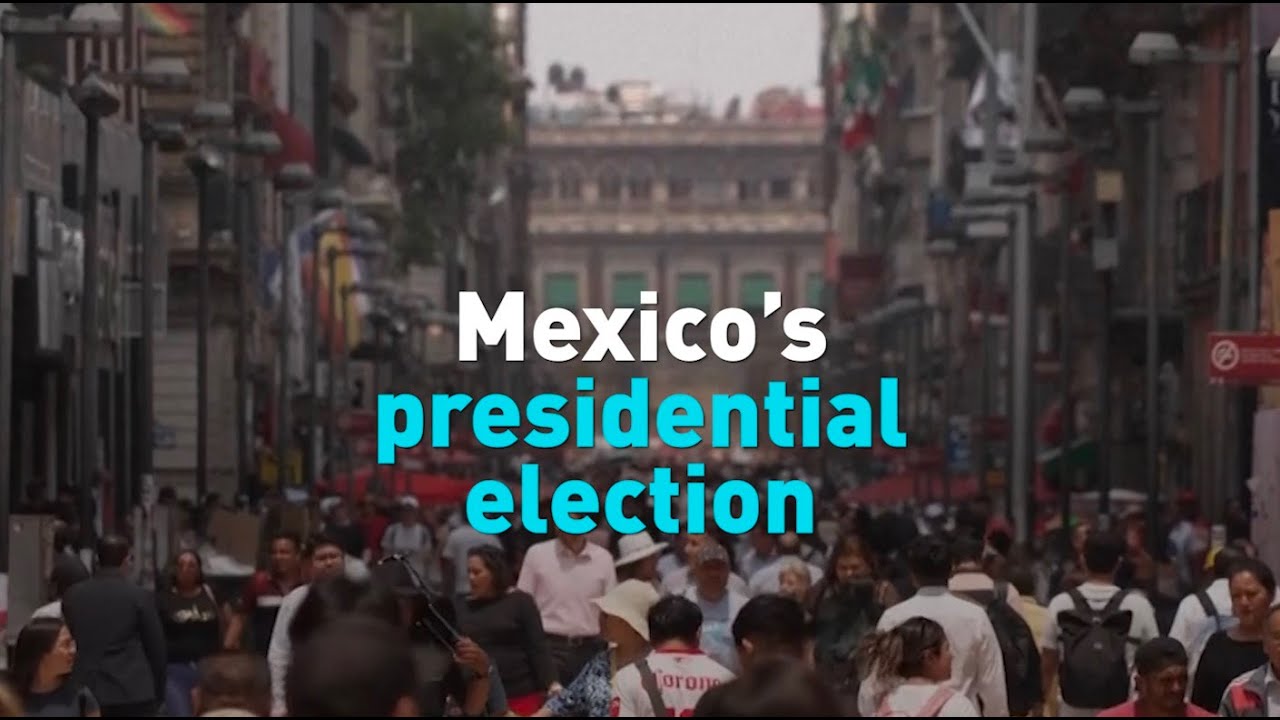
Mexico is a federal republic with a president serving as the head of state and head of government. The president is directly elected through a nationwide popular vote for a six-year term, with no possibility of re-election.
The next presidential election in Mexico is scheduled to take place on July 2, 2024, to elect a successor to the incumbent president, Andrés Manuel López Obrador, who assumed office on December 1, 2018.
Political Parties and Potential Candidates:
The main political parties that are expected to field candidates for the 2024 presidential election include:
- National Regeneration Movement (MORENA): The current ruling party, led by President López Obrador.
- Institutional Revolutionary Party (PRI): A center-right party that has historically dominated Mexican politics.
- National Action Party (PAN): A center-right, conservative party.
- Party of the Democratic Revolution (PRD): A center-left party.
While it is still early to speculate on specific candidates, potential contenders may emerge from within these major parties or from other smaller parties and independent movements.
Key Issues and Campaigns:
The 2024 presidential campaigns are likely to focus on issues such as economic development, job creation, security and crime, corruption, education, healthcare, and infrastructure. Candidates may also address Mexico's relationship with the United States, particularly regarding trade, immigration, and border policies.
The COVID-19 pandemic and its economic impact, as well as the government's response to the crisis, could also be major talking points during the campaigns.
Voter Turnout and Public Opinion:
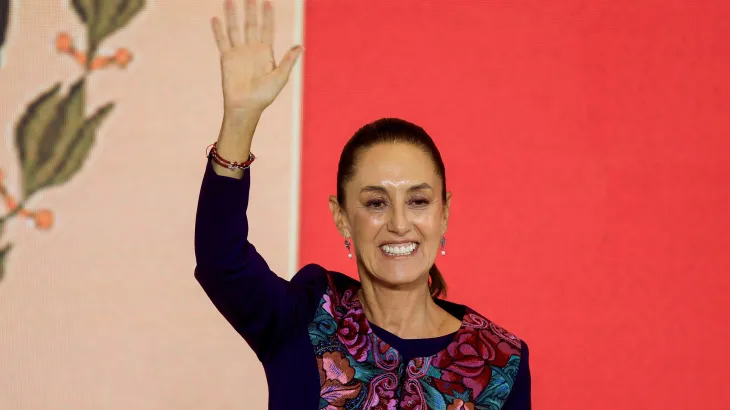
Voter turnout and public opinion will play a crucial role in determining the outcome of the election. Historical voter participation in Mexican presidential elections has varied, with turnout ranging from around 50% to over 60% in recent elections.
Pre-election polls and surveys conducted by reputable organizations may provide insights into public sentiment and voter preferences, but it is essential to approach such data with caution, as polls can be subject to biases and uncertainties.

Post-Election Implications:
The outcome of the 2024 Mexican presidential election will have significant implications for the country's domestic and international policies, as well as its relations with other nations, particularly the United States.
The new president will inherit a range of challenges, including economic recovery in the wake of the COVID-19 pandemic, addressing issues related to security, corruption, and social inequality, and navigating complex geopolitical dynamics in the region and globally.
It is crucial to note that the information provided here is based on my knowledge cutoff date, which was before August 2023. As the 2024 Mexican presidential election approaches, more accurate and up-to-date information will become available from authoritative sources, including election authorities, reputable news organizations, and independent observers.
Once the election takes place and credible results are released, I will be able to provide a more comprehensive and accurate analysis of the outcome, the winning candidate, and the potential implications for Mexico's future.
.jpg)