The world of cryptocurrencies has witnessed an astonishing surge, with the number of digital currencies surpassing 2.4 million according to CoinMarketCap, and over 2.5 million as reported by CoinGecko. This fivefold increase since 2021 reflects both the burgeoning interest in crypto as an asset class and the complexities that come with it. While this growth presents exciting opportunities, it also raises concerns about the quality and legitimacy of many new projects.
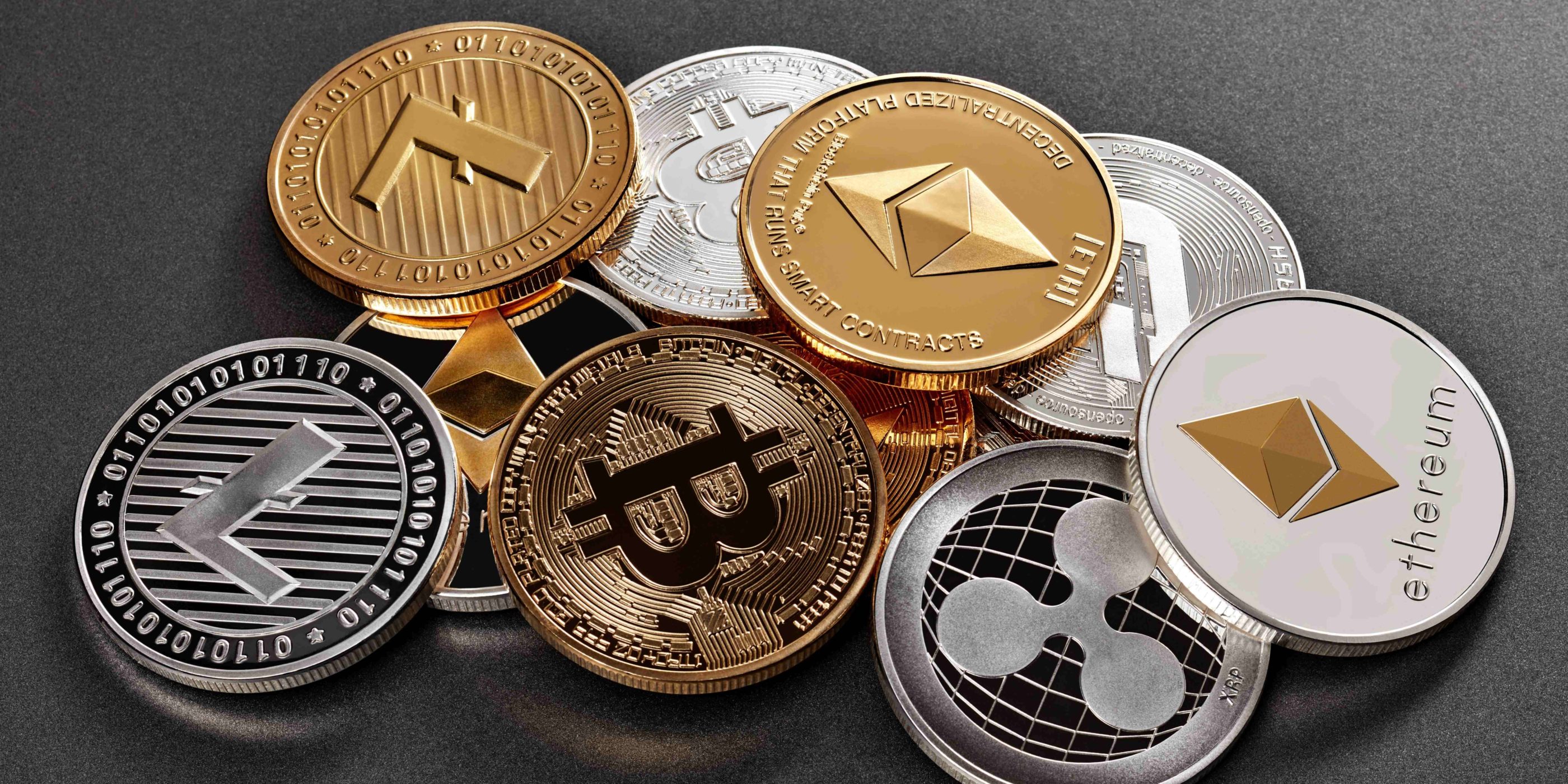
Understanding the Surge in Cryptocurrency Numbers
1. Low Barriers to Entry
One of the primary reasons for the rapid proliferation of cryptocurrencies is the low barrier to entry for creators. Unlike traditional financial instruments that require extensive regulatory compliance and technical expertise, anyone can launch a cryptocurrency with minimal resources. For as little as $50 to $100, individuals can hire developers to create a new token, making it accessible even to those with no technical background.
2. Speculative Investment Culture
The cryptocurrency market has attracted a wave of speculative investors looking for quick profits. This speculative nature has led many developers to create tokens primarily for financial gain rather than for solving real-world problems. Consequently, the market is flooded with numerous cryptocurrencies that lack substantive utility or clear objectives.
3. Technological Advancements
As technology evolves, newer cryptocurrencies often offer enhanced functionalities compared to their predecessors. Innovations such as faster transaction speeds, lower fees, and unique consensus mechanisms have drawn developers and investors to explore new projects. This ongoing technological evolution fuels further interest and investment in the crypto space.
Key Players in the Cryptocurrency Market
Despite the overwhelming number of cryptocurrencies, a few standout projects have established themselves as leaders in terms of market capitalization and influence. Here’s a closer look at some of the most valuable and influential cryptocurrencies:
| Cryptocurrency | Description |
|---|
| Bitcoin (BTC) | Launched in 2009 by an anonymous entity known as Satoshi Nakamoto, Bitcoin is the first cryptocurrency and remains the largest by market cap. Initially designed as a decentralized digital currency, it is now primarily viewed as a store of value due to its first-mover advantage. |
| Ethereum (ETH) | Introduced the concept of a programmable blockchain, allowing developers to create decentralized applications (dApps). Ethereum has become synonymous with decentralized finance (DeFi) platforms and remains the second-largest cryptocurrency by market cap. |
| Tether (USDT) | As the largest stablecoin pegged to the U.S. dollar, Tether is known for its high trading volume. However, it has faced controversy regarding its claims about being fully backed by U.S. dollar reserves. |
| BNB (BNB) | Originally known as Binance Coin, BNB is the native cryptocurrency of the Binance exchange and its associated blockchain platform. It offers users trading fee discounts and serves as a utility token within its ecosystem. |
| Solana (SOL) | Solana boasts impressive transaction speeds and low costs, capable of processing thousands of transactions per second due to its innovative proof-of-history mechanism. |
| USDC | Another U.S. dollar stablecoin, USDC is recognized for its transparency and regular audits of reserves conducted by independent accountants. It is supported by major financial institutions like Visa. |
| XRP | The native cryptocurrency for Ripple's payment protocol, XRP is designed for fast international money transfers. Despite facing legal challenges from the SEC regarding its status as an unregistered security, it remains widely used among financial institutions. |
| Toncoin (TON) | Initially developed by Telegram, Toncoin is integrated into The Open Network (TON) platform and focuses on creating a decentralized internet infrastructure with low transaction fees. |
| Dogecoin (DOGE) | Created as a joke based on a popular meme, Dogecoin has gained significant popularity and community support despite lacking unique use cases or competitive advantages. |
| Cardano (ADA) | Founded by one of Ethereum's co-founders, Cardano emphasizes research-based development and sustainability in blockchain technology while utilizing a proof-of-stake consensus mechanism for energy efficiency. |
The Importance of Cryptocurrencies
Cryptocurrencies offer several advantages over traditional fiat currencies:
- Decentralization: Cryptocurrencies operate independently from central banks or governments, providing users with greater control over their assets.
- Efficiency: Transactions can be executed quickly and at lower costs compared to traditional banking methods, especially for cross-border transfers.
- Innovation: Beyond serving as currency alternatives, cryptocurrencies are being leveraged to address various real-world challenges through decentralized finance (DeFi), non-fungible tokens (NFTs), and other applications.
Conclusion
The explosive growth in the number of cryptocurrencies presents both opportunities and challenges for investors and developers alike. While many projects are driven by genuine innovation aimed at solving real-world problems, others may lack substance or legitimacy. As such, potential investors must conduct thorough research before diving into this complex landscape.
With careful consideration and informed decision-making, individuals can navigate this dynamic market while capitalizing on the potential benefits that cryptocurrencies offer in reshaping finance and technology for the future.