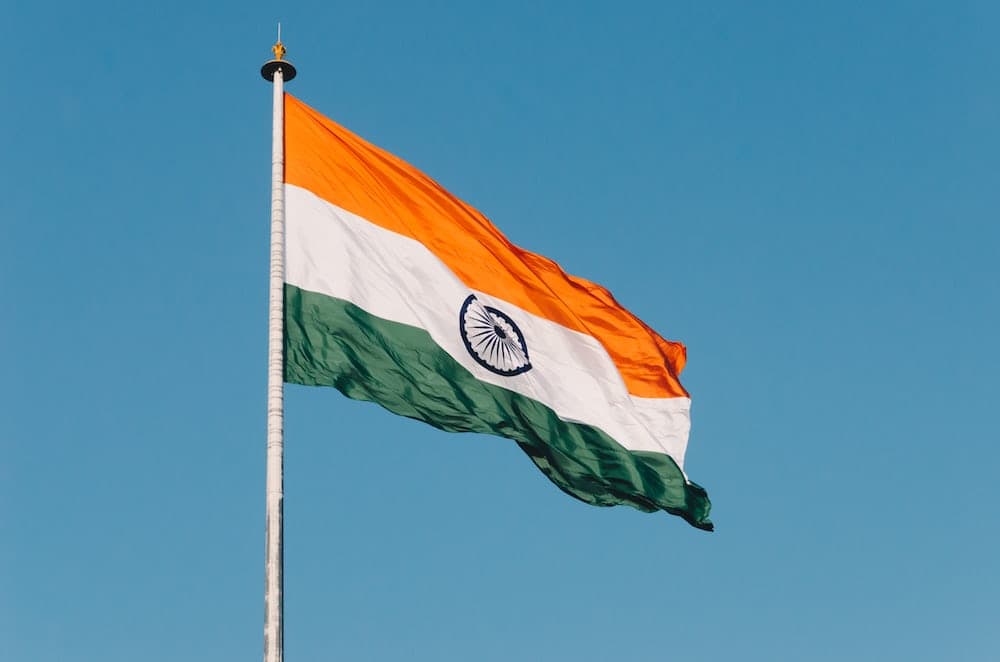
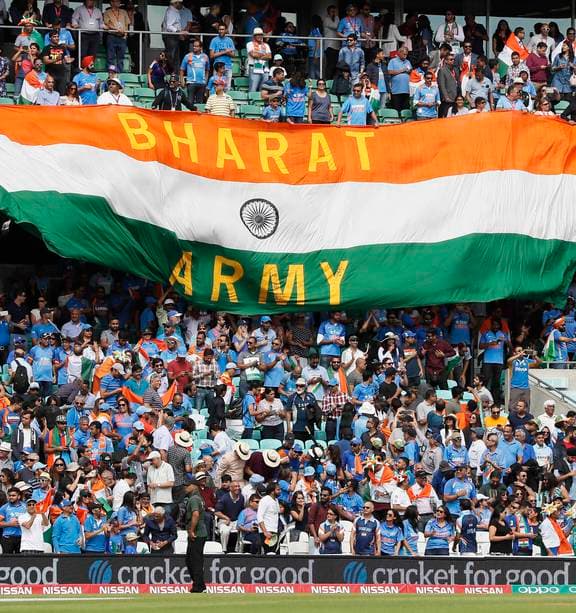
The Indian government's proposal to change the country's name to "Bharat" reflects a desire to reconnect with its deep-rooted historical and cultural identity. "Bharat" has been used for centuries in India's literature, scriptures, and cultural traditions, and it's viewed as a symbol of the nation's ancient heritage. This move is seen by some as a way to emphasize India's cultural continuity and distance itself from colonial legacies.
The name "India" itself is believed to have been derived from the Greek word "Indika," used by ancient Europeans to refer to the Indian subcontinent. The shift to "Bharat" is seen as a step toward embracing a name that is deeply entrenched in the country's ancient traditions and languages, particularly Sanskrit.
However, it's important to note that this proposal has generated mixed reactions within India. Supporters argue that it's a symbolic gesture toward reclaiming traditional values and cultural pride. They see it as a move away from colonial-era nomenclature and a return to India's roots.
Critics, on the other hand, view the name change as a largely symbolic move that doesn't address more pressing issues facing the country, such as poverty, infrastructure development, or social inequality. They argue that the focus should be on substantive policy changes and reforms rather than a symbolic shift in nomenclature.
It's worth noting that the proposal to officially change India's name to "Bharat" has not been universally accepted or implemented. Such a change would require a constitutional amendment, a complex and time-consuming process in India's democratic system. As a result, the debate around this proposal continues, with differing perspectives on its significance and impact.



.jpg&w=1920&q=75)