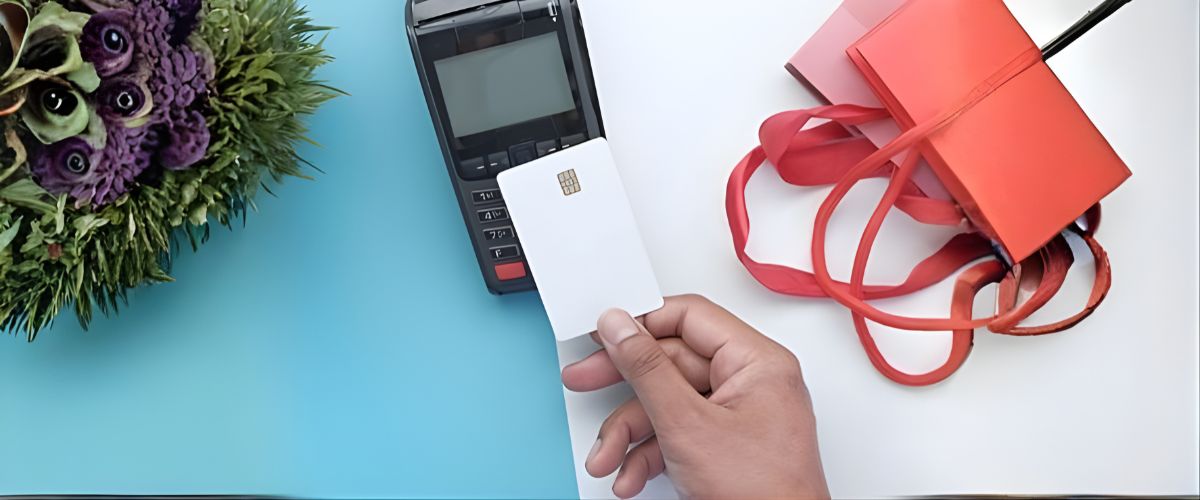
Big-ticket buys, an AC before summer, a laptop for work, a festive appliance, often nudge us towards the credit card. Used with a plan, it can smooth cash flow; without one, costs can mount. Let’s explore in detail whether it’s right to use a credit card for a big purchase or not:
The Case for Using a Credit Card
These points outline where a card can add value beyond simple payment, especially for high-value purchases in India. Think of them as guardrails, not green lights.
- Short-term liquidity: Get the item now while your outflow aligns to the billing cycle or a chosen EMI.
- Purchase protection: Card networks provide dispute support and a clear paper trail if a product is faulty or undelivered.
- Rewards & add-ons: Thoughtful use of rewards, extended warranty tie-ups, and partner offers can offset costs.
- Easy tracking: Statements, SMS alerts, and spend categories simplify budgeting and audits.
When a Credit Card May Not be Right
Use this section to spot red flags that can turn a sensible swipe into an expensive habit. If one or more apply, rethink the mode.
- Unclear repayment plan: Revolving balances can make the effective cost much higher.
- Offer fine print: “No-cost” EMI tags may include processing or convenience charges; check the total cost.
- Surcharges at checkout: Some merchants load card fees; if they erase your benefit, consider alternatives.
- High utilisation: Maxing a card can affect your credit profile; stay moderate.
A Simple Pre-Purchase Check
Run through these steps before you hit “Pay.” They’re quick filters that prevent surprises later.
- Total cost view: Include delivery, processing, warranty, and any EMI/foreclosure fees.
- Calendar your cash flow: Map payment dates against rent, SIPs, and other fixed outflows.
- Credit health: Keep utilisation sensible; avoid opening multiple new cards for one purchase.
- Compare modes: Check if a short personal loan, merchant financing, or planned savings is cheaper or simpler.
- Seller hygiene: Prefer trusted sellers, a GST invoice, clear return windows, and saved written terms.
Responsible Use Tips
These habits keep card spending predictable and less stressful, especially when EMIs are involved.
- Pay in full and on time: Set auto-debit for the statement amount to avoid interest.
- Keep EMIs short and few: Avoid stacking long EMIs across multiple cards.
- Use security controls: Limit per-transaction amounts, disable international by default, and enable instant alerts.
- Skip cash withdrawals: Fees and interest on cash can be steep.
- Audit monthly: Scan statements; dispute unfamiliar entries promptly.
Tools From Your Bank
Most Indian banking apps now show EMI break-ups, charges, and schedules clearly so you can decide calmly.
- Plan before you commit: Use in-app EMI simulators to see tenure, total cost, and any fees in one place. Banks in India, including options such as IDFC FIRST Bank, let eligible transactions be converted to EMIs within the app, so you can preview terms before confirming.
- Stay in control: Set spend limits, category caps, and travel toggles; switch off features you don’t need to reduce risk.
Conclusion
Make a large purchase using a credit card only when you are sure of the final amount, have a solid repayment strategy, and appreciate card benefits in making such a purchase. In case of uncertain repayment or a deal is based on fine print, back up and make comparisons.
Banks in India (including IDFC FIRST Bank) provide tools that make this evaluation easier, lean on them, keep utilisation modest, and treat the card as a tool, not a budget extension.