
Answered on12/28/24
Depression in children can manifest differently than in adults, often presenting as emotional, physical, and behavioral changes that may not be immediately recognizable. Early identification is essential for effective intervention. Here are common symptoms of depression in children:
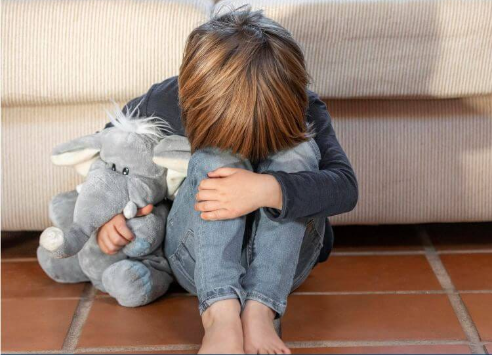
Emotional Symptoms:
- Persistent sadness or low mood that lasts for weeks or more.
- Feelings of hopelessness or worthlessness.
- Frequent crying or tearfulness.
- Irritability or anger, sometimes more prominent than sadness.
- Loss of interest in activities they previously enjoyed.
- Excessive guilt or self-criticism.
Behavioral Symptoms:
- Withdrawal from friends and family or avoiding social interactions.
- Decline in academic performance or loss of interest in school.
- Changes in sleeping patterns, such as difficulty sleeping or sleeping too much.
- Reduced energy levels or noticeable fatigue.
- Changes in eating habits, leading to weight loss or gain.
- Self-harming behaviors or talking about self-harm or death.
- Difficulty concentrating or making decisions.
Physical Symptoms:
- Frequent complaints of physical pain, such as headaches or stomachaches, without a clear medical cause.
- Changes in physical activity levels, such as agitation or lethargy.
- Unexplained aches or fatigue that persist over time.
Additional Indicators:
- Low self-esteem or negative self-image.
- Sensitivity to rejection or failure.
- Risk-taking behavior or acting out.
When to Seek Help:
If these symptoms persist for more than two weeks and interfere with daily life, it’s crucial to seek help from a pediatrician, counselor, or mental health professional. Early treatment, including therapy or medication if needed, can significantly improve outcomes.
0
.png&w=1200&q=75)