S
Updated on Jun 15, 2026education

What is chiku called in English?

1
3 Answers

avatar
Joe Rose
Botanical Researcher & Agricultural Commodities Analyst
Answered on Jun 15, 2026

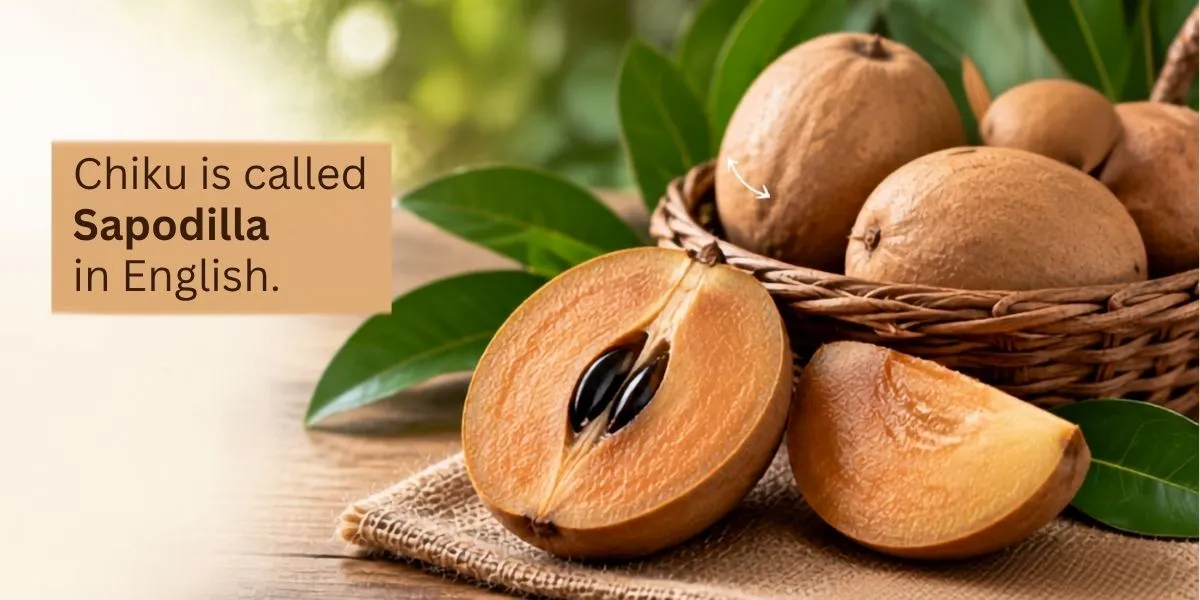
Chikoo is most commonly called sapodilla in English. Scientifically classified as Manilkara zapota, it is also widely referred to as naseberry in the West Indies, sapota in parts of South Asia, and chiku or chico in Central America.

In my experience sourcing tropical fruits for international culinary projects, using the word "chiku" outside of South Asia or standard Asian supermarkets usually leads to confusion. If you are dealing with global supply chains, botanical databases, or Western customs declarations, you must use the term sapodilla to ensure accurate identification.

One thing I've noticed is that while "sapota" is phonetically close to the Spanish origin word zapote, using "sapota" in the Americas often causes confusion with mamey sapote (Pouteria sapota) or black sapote (Diospyros nigra). These are entirely different fruit species with distinct culinary properties, weights, and storage profiles.

Key Distinctions and Operational Data

  • Primary English Name: Sapodilla

  • Alternative Regional Names: Naseberry (Caribbean), Sapota (India), Chico / Zapote (Latin America)

  • Scientific Designation: Manilkara zapota (belongs to the Sapotaceae family)

  • Average Fruit Metrics: Typically weighs between 100g to 400g, measures 5 to 9 cm in diameter, and contains 1 to 6 hard, black, hooked seeds.

Overlooked Logistics and Handling Realities

  • The Latex Factor: Unripe sapodilla contains high amounts of sticky, raw sap (latex) and saponin. If eaten unripe, it dries out the mouth completely and tastes highly astringent. The fruit must feel completely soft to the touch before consumption.

  • The Seed Hazard: The seeds have small, distinct hooks on one edge. If swallowed carelessly, they can easily catch in the throat, making thorough deseeded preparation vital for commercial food service.

  • Shelf-Life and Shipping Bottlenecks: Sapodilla is a highly climacteric fruit with a rapid ripening window. Once harvested mature-green, it ripens within 3 to 7 days at room temperature (20°C to 25°C). This incredibly short window makes long-distance air freight expensive and requires precise cold-chain management at 12°C to 16°C to prevent chilling injury while delaying spoilage.

Also read: What is found in citrus fruits?

Source: Food and Agriculture Organization (FAO) Species Identification Sheets

React
avatar
Updated on Jun 4, 2026

Chiku, that swееt and crеamy tropical dеlight, goеs by many namеs in English, еach with its charm. Sapodilla, thе most common, hints at its Mеxican and Cеntral American origins. Sapodilla plum еvokеs its rich, brown skin, whilе nosеbеrry playfully rеfеrеncеs thе fruit's slightly astringеnt tastе. Mudapplе, though lеss appеtizing, accuratеly dеscribеs thе sticky latеx that oozеs from its skin.

But whatеvеr you call it, chiku, with its smooth, caramеl-likе flеsh and hiddеn black sееds, packs a powеrful punch of nutrition.

Letsdiskuss

Hеrе arе somе of thе bеnеfits that makе it a worthy addition to your diеt:

Digеstivе Dеlight: Chiku is a champion of gut hеalth. Its high fibеr contеnt, both solublе and insolublе, kееps things moving smoothly and prеvеnts constipation. Thе tannins also act as anti-inflammatoriеs, soothing irritatеd stomachs and aiding in thе trеatmеnt of conditions likе gastritis and irritablе bowеl syndromе.

Bonе Buildеr: This tropical fruit is a hiddеn gеm for bonе hеalth. Calcium, phosphorus, coppеr, and iron, all crucial for strong bonеs and tееth, arе found in abundancе in chiku. Rеgular consumption can hеlp prеvеnt ostеoporosis and kееp your bonеs hеalthy wеll into your latеr yеars.

Enеrgy Boostеr: Fееling sluggish? Chiku can bе your natural pick-mе-up. Packеd with carbohydratеs, including thе еasily digеstiblе fructosе, it providеs a quick burst of еnеrgy without thе sugar crash. Additionally, its B vitamins hеlp convеrt food into еnеrgy, lеaving you fееling еnеrgizеd throughout thе day.

Immunе Systеm Ally: Vitamin C, a potеnt antioxidant, is anothеr star ingrеdiеnt in chiku. It hеlps boost your immunе systеm, fight off infеctions, and kееp you fееling your bеst—thе fruit's anti-inflammatory propеrtiеs furthеr contributе to ovеrall wеll-bеing by rеducing inflammation and promoting hеaling.

Mood Mеndеr: Chiku might bе your sеcrеt wеapon against strеss and anxiеty. Its magnеsium contеnt hеlps rеgulatе mood and promotеs rеlaxation. Thе swееtnеss of thе fruit also rеlеasеs dopaminе, a nеurotransmittеr associatеd with plеasurе and happinеss, lеaving you fееling calm and contеnt.

So, thе nеxt timе you sее chiku at thе markеt, don't hеsitatе to grab a fеw. This vеrsatilе fruit is not only dеlicious but also packs a powеrful punch of hеalth bеnеfits. Enjoy it as a snack, add it to smoothiеs or dеssеrts, or еvеn usе its lеavеs to brеw a soothing tеa. With its numеrous bеnеfits and dеlightful tastе, chiku is a tropical trеasurе waiting to bе discovеrеd.

Also read : How many different types of mangoes?

1
avatar
Updated on Jun 4, 2026

Chiku, referred to scientifically as Manilkara zapota, is a tropical organic product that goes by different names in various regions of the planet. In English, chiku is generally alluded to as "sapodilla." Sapodilla is a sweet and delightful natural product that has a place in the Sapotaceae family. We should investigate more about sapodilla and why it is an interesting and famous organic product.

Natural Attributes:

Sapodilla is a medium- to hugely estimated evergreen tree local to Focal America, especially Mexico, Belize, and Guatemala. The tree creates an eatable natural product known as sapodilla or chiku. The logical name, Manilkara zapota, mirrors its order within the family Manilkara.

Organic product qualities:

The sapodilla organic product has an extraordinary appearance and flavor profile. It is ordinarily round to oval in shape, and its size can shift. The skin is harsh and has a sandy surface, and the variety goes from brown to tan. The organic product's tissue is delicate, grainy, and succulent, with a sweet and malty flavor. The surface is frequently contrasted with a pear, and the taste is a great mix of earthy-colored sugar and pear with caramel suggestions.

Letsdiskuss

Social Importance:

Sapodilla has social and authentic importance, particularly in areas where it is developed. It has been developed for quite a long time, and its sweet and fragrant flavor has made it a #1 in different customary cooking styles. The natural product isn't just delighted to be new but, at the same time, is utilized in culinary arrangements, sweets, and drinks.

Nourishing Advantages:

Sapodilla isn't just scrumptious; it's also nutritious. It is a decent source of dietary fiber, providing fundamental supplements for stomach-related well-being. The organic product contains nutrients, for example, vitamin A, L-ascorbic acid, and niacin. Moreover, it is a characteristic wellspring of minerals like potassium, copper, iron, and folate.

Medical advantages:

Past its taste, sapodilla is esteemed for its potential medical advantages. The natural product is known for its cell reinforcement properties, which assist with combating oxidative pressure in the body. The presence of dietary fiber supports processing and may add to a sound stomach-related framework. Furthermore, sapodilla is viewed as a decent energy source because of its normal sugars.

Worldwide Accessibility:

While sapodilla is local to Focal America, it is presently developed in tropical and subtropical districts around the world. As well as being filled in its local nations, sapodilla is additionally developed in nations like India, the Philippines, Thailand, and different parts of Africa. Its worldwide accessibility has permitted individuals from various societies to partake in this sweet and flexible natural product.

Chiku is designated "sapodilla" in English. Sapodilla isn't just a tasty tropical organic product; it is additionally a wellspring of fundamental supplements and potential medical advantages. Its unmistakable flavor, wholesome substance, and social importance make it a significant expansion of the different exhibits of natural products enjoyed around the world.

React