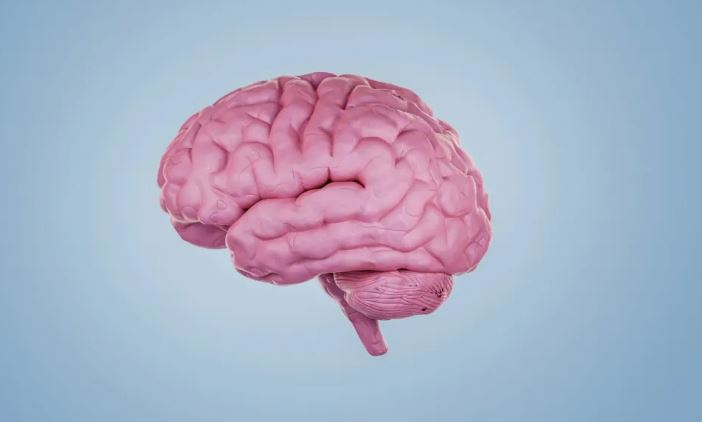
Is the brain a muscle?
It is commonplace for discussions on intellectual fitness and cognitive capacities to encompass the analogy between the mind and muscles. The mind is now and again known as a muscle in informal speech, implying that it can be strengthened and exercised like different muscle tissues. But the muscle groups and the brain are essentially separate anatomical structures with one-of-a-kind methods and purposes. Even though they both react in a different way to stimuli, they function very differently from each other. To dispel the false impression that the brain is a muscle, we can study the tricky relationships among the mind and muscle tissues in this publication.
Understanding the Brain:
In the apprehensive system's command middle, the brain is in charge of processing sensory information, triggering reactions, and coordinating physical tactics. The mind creates complicated networks from billions of neurons and assists cells to help thinking, learning, and reminiscence creation, amongst other cognitive features.
The constitution of the brain is more numerous than that of muscular tissues, which can be normally made of muscle fibres with the capability to settle. The essential constructing blocks of the brain, neurons trade statistics via electrochemical impulses to construct elaborate neuronal circuits. These circuits assist the brain technique and combine records, which allows it to perform a whole lot of capabilities.
Furthermore, the mind differs from muscle groups in that it's far more malleable. The brain's capacity to arrange and adapt in response to reports, gaining knowledge of, and environmental modifications is known as neuroplasticity. The mind's exceptional potential to create memories, heal from wounds, and collect new abilities is primarily based on this process.
Muscles: Structure and Function
On the opposite hand, muscles are specialized tissues that might be principally in the price of producing pressure and permitting movement. Voluntary movements inclusive of strolling, going for walks, and lifting objects are made possible with the aid of skeletal muscle tissues, which might be connected to bones by using tendons. Involuntary capabilities like blood circulation and digestion are controlled by way of easy muscle mass, which is found in inner organs just like the stomach and blood arteries. The heart's precise cardiac muscle groups maintain the heart's regular contraction and blood floats all through the frame.
Long, cylindrical cells known as muscle fibres, which might be capable of agreement and relaxation, make up the majority of muscles. The interaction of the proteins myosin and actin within the muscle fibres causes those contractions. The proteins drift past each other in reaction to motor neuron stimulation, shortening and exerting strain on the muscle.
Processes like hypertrophy and atrophy assist muscular tissues adapt. When muscle groups are time and again reduced in size against resistance, as they are during energy education, the result is an increase in muscular growth known as hypertrophy. On the other hand, atrophy describes a reduction in muscle tissues and electricity delivered through harm or loss of activity.
Distinguishing Features:
Although the brain and muscles are both capable of responding to stimuli similarly, there are some essential variations among the 2:
- Composition: While muscle tissues are predominantly made up of muscle fibres, the brain is made from neurons, glial cells, and other helping elements.
- Function: While muscles provide pressure and enable movement, the mind interprets information, controls physiological tactics, and helps cognitive activities.
- Mechanism: While muscle mass settlement and relaxation via sliding actin and myosin filaments, the brain interacts with its neurons using electrochemical impulses.
- Plasticity: While muscular tissues usually adapt through hypertrophy and atrophy, the mind can also restructure and adapt in response to experiences way to neuroplasticity.
- Volition: Although the mind and muscle tissues can do both voluntary and involuntary sports, the brain has a greater and greater difficult control over voluntary moves.
Debunking the Myth about Is the Brain a Muscle:
There is a common false impression that the brain is a muscle, however, medical studies suggest that those structures are quite one of a kind. Both have various physiological functions and work through separate structures, even though they are both capable of converting in reaction to inputs.
The perception that mental health can be expanded through education, just like physical health, might be the source of the analogy among the mind and muscle tissues. It is proper that doing puzzles, choosing new competencies, and practicing mindfulness can improve brain health and cognitive performance. However, blaming those consequences on the brain's bodily nature oversimplifies the complicated workings of neurobiology and diminishes the special powers of the brain.
Furthermore, growing realistic plans to remedy neurological illnesses and hold cognitive characteristics requires a hold close to the actual nature of the mind. To understand the whole ability of the brain, scientists are still delving into the complexities of brain anatomy and function in place of depending solely on crude comparisons.
All matters considered the brain is not always a muscle; rather, it's far a rather complex organ with specific capabilities and mechanisms. The brain and muscle tissue both respond to stimuli, but they feature through essentially special processes, and it's miles critical to apprehend this difference to sell brain health, dispel myths, and increase our know-how of neuroscience. Rather than oversimplifying the brain's complexity, we need to understand its specialty and keep delving into its mysteries through scientific inquiry.