
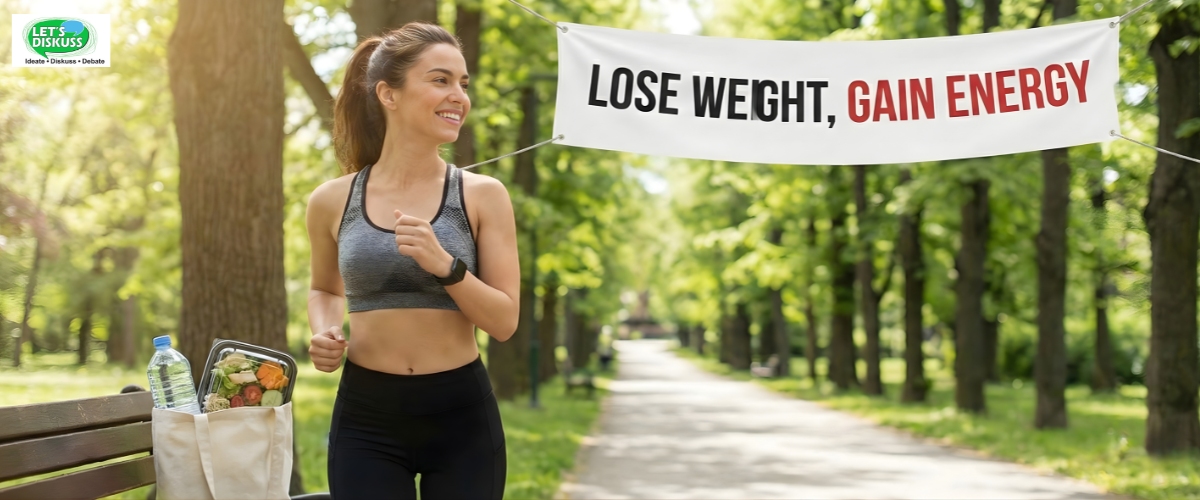
Introduction
Understanding Weight Loss
Weight loss is more than just losing weight, it's about making improvements in your health, energy levels and the quality of your life so you can live fully. Losing weight takes place when your body goes into a calorie deficit which means it is burning more calories than it is consuming. However, weight loss takes time and happens gradually. Any weight loss that happens in the short term, is just a quick fix and will return back.
Healthy vs Unhealthy Weight Loss
Healthy weight loss means that you retain your muscle mass and only lose your fat. For a healthy weight loss, you should have a balanced nutrition and a workout regime to support it. Unhealthy weight loss takes place when you rely on crash dieting or extreme calorie deficit. It may lead to fatigue, deficiencies in your body, hormonal imbalance and lower energy levels.
Setting Realistic Goals
Losing weight in a healthy way means setting realistic goals for you. Losing 1 KG per week is considered a safe amount of weight loss and is also sustainable in nature. Instead of chasing instant results, you should focus on making sustainable habits that will help you lose weight gradually.
1: Understanding Weight Gain
How the Body Stores Fat
When you consume more calories than your body requires. Excess energy on calories taken is stored as fat. There are also a number of other factors that influence fat storage in your body. For example, your hormones, your genetics, your level of activity, and the food choices you make on an everyday basis. Combination of these factors can lead to weight gain.
Common Causes of Weight Gain
The most common causes of weight gain are overeating unhealthy food, lack of physical activities, stress, lack of sleep, changes in the hormones. Over-consumption of processed foods that are high in sugar and unhealthy fats also leads to weight gain at a rapid pace.
Role of Metabolism
The metabolic rate of your body plays an important role in weight gain. Metabolism refers to your body's ability to convert food into energy. So if your metabolism is fast, then your body will store less fat. Metabolism is usually affected by factors like age, muscle mass, genetics, etc.
Myths About Weight Loss
There are many myths around weight loss such as:
Giving news for following crash dieting
Not intaking Carbs
Eating too less in the name of calorie deficit
Not being physically active
2: Setting the Right Weight Loss Goals
Determining a Healthy Weight
Knowing what constitutes a healthy weight for your body involves considering factors such as BMI, which is calculated using height and weight. However, it is important not to focus solely on this measurement; energy levels, body composition, and other health markers also provide valuable context. For individuals seeking additional support with weight-management goals, Trimrx.com offers supervised programs and GLP-1 medication that can be considered alongside personalized health guidance and lifestyle changes.
Short-Term vs Long-Term Goals
When you start your weight loss journey, you should focus on both short-term and long-term goals. Start by making short-term goals. For example, losing 2 to 3 kgs in the first month. This will keep you motivated. Once you make a routine, make a long-term focus on a sustainable weight loss by improving your lifestyle habits.
Tracking Progress Safely
Tracking your progress does not mean to keep checking your weight on the scale again and again. Tracking means keeping yourself aware regarding change in your body energy levels, how your clothes fit you better, inch losses and also your skin health.
Staying Motivated
You are the key factors in yourself motivated as weight loss is a long-term process that requires consistency and commitment. Make short-term goals to keep yourself motivated and celebrate small wins. Stay patient and remind yourself that you are committed to making your life better by losing weight.
3: Nutrition Basics for Weight Loss
Calories and Energy Balance
Keeping a watch on your calories is very important when you are on your weight loss journey. Focus on consuming less calories, but those calories should be nutrient dense.
Macronutrients: Carbs, Proteins, and Fats
All kinds of macronutrients are important when you are on a diet. Carbs, protein, fat, all should be taken in the right quantity. Balance is essential if you are looking for a sustainable weight loss.
Portion Control
Eating healthy is important but eating in the right quantity is even more important. Portion controls help you with your calorie intake. It ensures that you do not overeat. You can start portion control by switching to smaller plates.
Reading Food Labels
This is one of the most underrated habits when you are on your weight loss journey. Reading food labels allows you to have no hidden quantity of sugars, and healthy fats, or excessive calories. Nowadays, there are many healthy products that are being sold in the market which are high on sugar or made in refined oils and are calorie dense.
4: Healthy Eating Habits
Balanced Meal Planning
A balanced meal includes protein, complex carbs, healthy fats, and lots of fiber. Are planning your meals in the right ratio with all the micronutrients mentioned, supports a healthy weight loss.
Foods That Support Weight Loss
There are certain food groups that support your weight loss. Vegetables, fruits, whole grains, lean proteins and healthy fats are the common groups that you must use.
Foods to Limit or Avoid
The foods that you should avoid all the process and packed foods. You should also say no to refined sugar and high in calories food.
Mindful Eating Practices
You should also develop mindful eating practices that will help in weight loss for example, not eating later in the night, avoiding any distraction such as screen while eating, eating slowly and chewing your food properly. While these habits seem small, they act large when it comes to weight loss payoffs.
5: Exercise and Physical Activity
Benefits of Exercise for Weight Loss
Doing weight loss requires not only being clean on your eating habits but also being physically active. Exercise not only burns extra calories but also prevents loss of muscles. It also improves your metabolism rate and gives you motivation when you shed your water weight.
Cardio vs Strength Training
While cardio burns more calories and is good for maintaining a healthy heart, too much cardio is not good for weight loss. A combination of cardio and strength training is very important because it helps build your muscles and increase your metabolic rate.
Beginner-Friendly Workout Plans
If you are a beginner, you can start by walking or cycling or doing home workouts. Yoga is also said to be good for beginners. Note that consistency matters more than the intensity.
Staying Active in Daily Life
While it is important to have a workout plan, staying active throughout the day is also important. Especially when you have meals, make sure to walk a little and do not lie down immediately. You should also switch to healthier habits for example, taking stairs instead of lift or walking or stretching 2 to 3 times a day.
6: Changes That Support Weight Loss
Importance of Sleep
Sleep plays an important role in weight loss because sleep can lower down your metabolic rate, disturbs your hunger hormones and can increase late night cravings. Try getting 8 to 9 hours of sleep every day as it helps in fat loss and also recovery from your workouts.
Managing Stress
Having too much stress is a common cause of gaining weight because it raises your cortisol levels and promotes fat storage. People who have chronic stress issues usually have belly fat. To manage your stress, try different breathing exercises when you wake up. Meditation and yoga or indulging yourself in hobbies can help you manage stress.
Building Healthy Daily Routines
Your daily routine is a great contributor to your body weight. Being consistent with your workouts, your meal timings, and indulging in regular physical activities can help you achieve your ideal body weight. Also , remember to keep yourself hydrated all the time.
7: Weight Loss Without Extreme Dieting
Why Crash Diets Don’t Work
Crash diets can only work in short terms but will lead to unhealthy weight loss because you will lose your muscles and there will be many nutrition deficiencies in your body. Also, it leads to rebound weight gain.
Sustainable Weight Loss Approaches
For a sustainable weight loss, you should focus on having a balanced meal, a regular workout regime, and being physically active throughout the day.
Developing a Healthy Relationship with Food
Building a healthy relationship with food helps you in the longer run. Food is a source of fuel and nourishment in your body and you should not create any guilt within you when you consume it. Learning to eat in moderation can help you in weight loss even without any dietary restrictions.
8: Common Challenges and How to Overcome Them
Plateaus and Slow Progress
The common challenge is having slow progress or a stagnant weight. This can work against your motivation. You can adjust your calories or workout for maths or see your stress level restart.
Emotional Eating
On the days when you are not feeling well or emotionally drained out, you can indulge in emotional eating, which can break your consistency. Make sure to stay away from the triggers that allow you to be emotionally down and look for healthier alternatives if you have to eat out of stress.
Social Situations and Eating Out
You may face social situations where you have to drink or eat out which can mess with your healthy routine. In this case you can plan ahead, choose a balanced meal even when eating out or practice portion control. You can also talk to your friends and family and explain to them your journey so there will be no peer pressure.
9: Weight Loss for Different Lifestyles
Weight Loss for Busy Schedules
If you're someone who has a busy schedule and it is causing delay in weight loss, then you should focus on meal prepping in advance. You can also go for short HIIT workouts that burn more calories in less time.
Weight Loss at Home
Weight loss at home is possible through home workouts and by following a diet which includes healthy, home-cooked meals. You can find both the workout tutorials online and healthy recipes to make at home.
Weight Loss for Different Age Groups
Weight loss occurs at a different pace for different age groups. This is because with age your metabolism rate changes, your activity levels are different and also your recovery speed is different.
10: Maintaining Weight Loss
Preventing Weight Regain
Once you shed extra kilos, the next thing which needs consistency is preventing weight regain. By maintaining consistency in healthy habits and mindful eating that you developed during your weight loss journey, you can prevent gaining back. You just need to be disciplined enough to not fall to old patterns.
Long-Term Healthy Habits
By following sustainable healthy habits of eating nutritious food, moving your body, working out and stress management with proper sleep, you can maintain your weight for a longer period of time.
Monitoring Health Beyond the Scale
A healthy body is more than what your weight is showing on the scales. Over and above the weight, you should focus on gaining strength, improving your energy levels, better gut, health, and your overall mental and physical well-being.
Conclusion
Weight loss is a gradual process and requires consistent lifestyle changes. Once you lose your weight, you will feel less fatigue, better sleep, improved health conditions and a better digestion. By focusing on maintaining consistency, balance, and fostering healthy habits, you can achieve lasting results.
FAQs
How can I lose weight fast but safely?
Focus on your workouts, and follow a calorie deficit diet with major macro nutrients like protein, complex, carbs and healthy fats, you can lose weight naturally.What is the best diet for weight loss?
The best diet for weight loss is whole foods, protein, healthy fats, and a lot of fiber.Can I lose weight without exercising?
Calorie deficit can make you lose weight even without exercising but in order to improve your metabolism, maintain muscle mass and for maintaining your weight in the long run, you need to add some form of exercise too.What foods help with weight loss?
Healthy fats, such as nuts and seeds, avocado, etc. along with the sources of fiber, such as fruits and sources of lean proteins, such as fish can help you lose weight.How many calories should I eat to lose weight?
The number of calories you should consume in order to lose weight depends upon your resting metabolic rate. You need to consume 500 to 700 cal. fewer than the minimum amount of calories that you need.