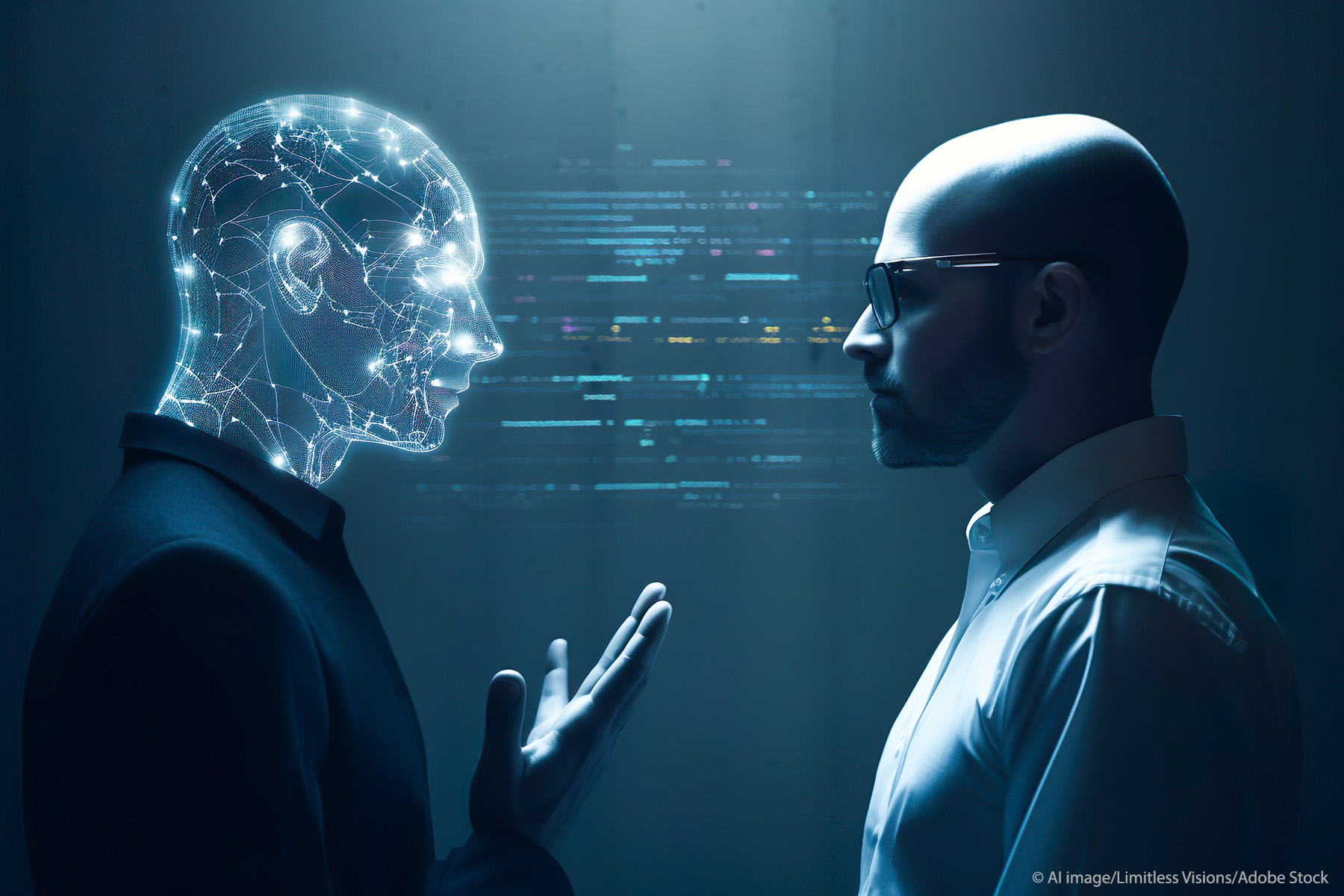
The debate over whether artificial intelligence (AI) can truly replicate human intelligence has garnered significant attention in recent years. As AI continues to advance, questions arise about its capabilities and limitations compared to human intelligence. This exploration delves into various aspects of AI and human intelligence, examining whether machines can genuinely think and how they stack up against human cognitive abilities.
The Nature of Human Intelligence
Human intelligence is multifaceted and complex, encompassing various cognitive functions such as learning, reasoning, problem-solving, perception, and language understanding. Humans possess emotional intelligence, creativity, intuition, and the ability to adapt to new and unforeseen situations. These capabilities are deeply rooted in our biological makeup and evolutionary history, allowing us to navigate and interpret a world full of nuanced social dynamics and emotional contexts.
The Mechanisms of AI
AI, on the other hand, is fundamentally different. At its core, AI involves the use of algorithms and machine learning models to process and analyze vast amounts of data. AI systems can identify patterns, make predictions, and automate tasks that were once the domain of human labor. For example, AI excels in areas such as image recognition, natural language processing, and data-driven decision-making.
Key Differences Between AI and Human Intelligence
1. Learning Ability: Both AI and humans can learn, but the processes are distinct. AI learns from data and improves its performance based on training and feedback. Humans learn through experiences, social interactions, and by understanding the cause-and-effect relationships in their environment. Human learning involves not only data absorption but also emotional and social factors.
2. Creativity and Innovation: Humans excel in creativity and the ability to think outside the box. While AI can generate content or solutions based on existing data, it lacks the intrinsic creativity that humans possess. Human creativity involves emotional expression, abstract thinking, and the ability to generate novel ideas that can inspire and innovate.
3. Ethics and Bias: Human decision-making is often guided by ethical considerations and moral values. AI, however, operates within the confines of its programming and the data it has been trained on, which can sometimes lead to biased outcomes. Human intelligence can assess the ethical implications of decisions and adjust behavior accordingly, a capacity AI currently lacks.
4. Reasoning and Context Understanding: Humans can reason with incomplete information, make inferences, and understand context and nuances in communication. AI, while proficient at data analysis, struggles with contextual understanding and reasoning in the way humans do. This gap is significant in areas requiring deep comprehension and empathy.
5. Emotional Intelligence: One of the critical aspects of human intelligence is the ability to understand and manage emotions. This emotional intelligence is crucial in social interactions and personal relationships. AI lacks true emotional intelligence, although it can simulate some aspects through programmed responses.
6. Adaptability and Flexibility: Humans are highly adaptable and able to adjust their thinking and behavior in response to new information or changing environments. AI, while capable of learning and adapting to some extent, is limited by its programming and the scope of its training data.

Areas Where AI Outperforms Humans
Despite its limitations, AI surpasses human capabilities in several areas:
1. Data Processing: AI can analyze vast quantities of data quickly and accurately, making it invaluable in fields such as healthcare, finance, and logistics. This capability allows for real-time decision-making and predictions that would be impossible for humans to achieve manually.
2. Task Automation: AI excels at automating repetitive and data-driven tasks, increasing efficiency and reducing human error. This has significant implications for industries such as manufacturing, customer service, and data entry.
3. Specialized Applications: In specific applications like image recognition, language translation, and fraud detection, AI has demonstrated superior performance compared to human capabilities. These specialized tasks benefit from AI's ability to process large datasets and identify patterns with high precision.
The Collaborative Future of AI and Human Intelligence
The future likely holds a collaborative relationship between AI and human intelligence. AI can augment human capabilities by handling tasks that require extensive data processing, thereby freeing humans to focus on higher-level cognitive functions such as critical thinking, creativity, and emotional engagement. This partnership can lead to enhanced productivity and innovation across various fields.
Ethical Considerations and the Path Forward
As AI continues to evolve, ethical considerations become increasingly important. Issues such as bias in AI algorithms, data privacy, and the potential for AI to surpass human intelligence (often referred to as the "singularity") need to be addressed. Ensuring that AI development aligns with human values and ethical standards is crucial for its safe and beneficial integration into society.

Conclusion
while AI has made remarkable strides and can replicate certain aspects of human thinking, it remains fundamentally different from human intelligence. The complexity, adaptability, and emotional depth of human cognition are attributes that AI has yet to fully emulate. The future will likely see a symbiotic relationship where AI complements and enhances human abilities, leading to a new era of technological and cognitive advancement.