
Omega-3 fatty acids may help support brain health and could modestly improve depressive symptoms in some people, particularly when certain EPA-rich formulations are used alongside standard treatment. However, the evidence isn't strong enough to say omega-3 supplements can treat depression or anxiety on their own. The U.S. National Center for Complementary and Integrative Health (NCCIH) currently describes the evidence for depression as uncertain.
From my perspective, this is where supplements often get oversold. Omega-3 can be a useful part of an overall mental-health plan, but I wouldn't treat a fish-oil capsule like an antidepressant.
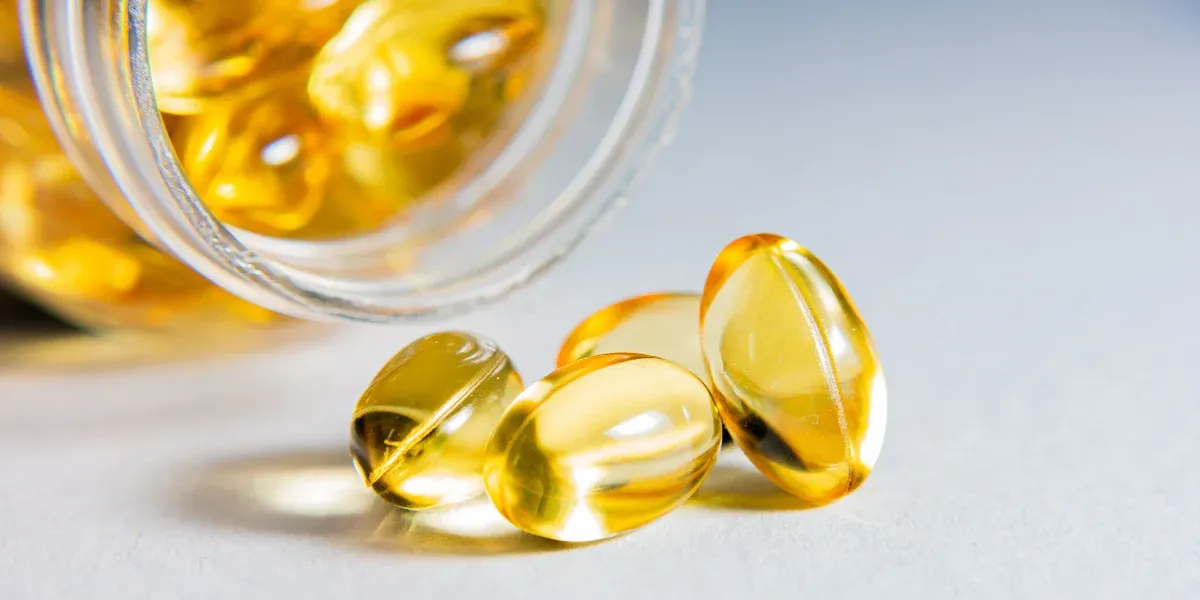
How Omega-3 May Affect the Brain
Omega-3s are essential polyunsaturated fatty acids. DHA, in particular, plays important structural and functional roles in the brain, while EPA has been studied extensively for possible effects related to mood and inflammation.
Researchers are investigating several possible mechanisms, including effects on:
Cell-membrane function
Neurotransmitter signalling
Inflammatory pathways
Brain-cell communication
These mechanisms are biologically interesting, but a plausible mechanism doesn't automatically prove that taking a supplement will relieve depression.
EPA vs. DHA
EPA and DHA aren't interchangeable when we're talking about mental health.
Omega-3 | Main point |
|---|---|
EPA | Stronger evidence for possible antidepressant benefit |
DHA | Important structural component of the brain |
ALA | Plant-based omega-3 that the body converts only partly to EPA/DHA |
Some research suggests that if omega-3 supplementation helps depression, EPA-rich products may work better than DHA-dominant ones. An expert guideline from the International Society for Nutritional Psychiatry Research has recommended pure EPA or EPA/DHA formulations containing more EPA for adjunctive treatment of major depressive disorder.
I wouldn't use that as a reason to self-prescribe a high-dose EPA supplement, though. Clinical recommendations depend on the individual.
Research Evidence
This is where the answer becomes less exciting but more accurate.
A 2021 Cochrane review covering 35 studies found a small-to-modest improvement in depressive symptoms with omega-3 compared with placebo, but the effect was considered unlikely to be clinically meaningful, and the certainty of evidence was low or very low.
Research on anxiety is also mixed. NCCIH says there isn't enough evidence to draw firm conclusions about many complementary approaches for anxiety disorders.
So I wouldn't write "omega-3 fights depression and anxiety." A more evidence-based statement is that omega-3 may offer additional support for some people, particularly for depression, but we still need better research.
Food vs. Supplements
If possible, I'd first think about the overall diet rather than jumping straight to capsules.
EPA and DHA occur naturally in fatty fish and seafood. ALA is available from plant foods such as flaxseed, chia seeds, walnuts, canola oil, and soy.
For vegetarians or vegans who specifically need DHA/EPA, algal-oil supplements are an option.
But more isn't automatically better. If you're considering supplementation specifically for depression or anxiety, I'd discuss the product, EPA/DHA content, dose, and existing medicines with a healthcare professional.
Safety & Professional Care
Omega-3 supplements are generally well tolerated, but they can cause an unpleasant taste, heartburn, nausea, diarrhea, and other gastrointestinal symptoms. They can also interact with medicines, particularly those affecting blood clotting.
Most importantly, don't replace psychotherapy, antidepressants, or other prescribed treatment with omega-3 without medical guidance.
Frequently Asked Questions (FAQs)
1. Can omega-3 cure depression?
No. Research doesn't support calling omega-3 a cure for depression. It may have a modest adjunctive role for some people.
2. Is EPA or DHA better for depression?
Current research generally points more toward EPA, particularly EPA-rich formulations, for potential antidepressant effects.
3. Does omega-3 help anxiety?
Possibly, but evidence isn't strong or consistent enough to recommend omega-3 as a standalone anxiety treatment.
 Answered by