Rewiring the Brain from Addiction: A Journey of Healing and Recovery
Addiction is a complex neurological condition that alters brain function and structure over time. The process of rewiring the brain from addiction, known as neuroplasticity, is a topic of great interest in neuroscience and addiction recovery. While the exact timeline for rewiring the brain varies from person to person, understanding the process can provide hope and motivation for those on the path to recovery.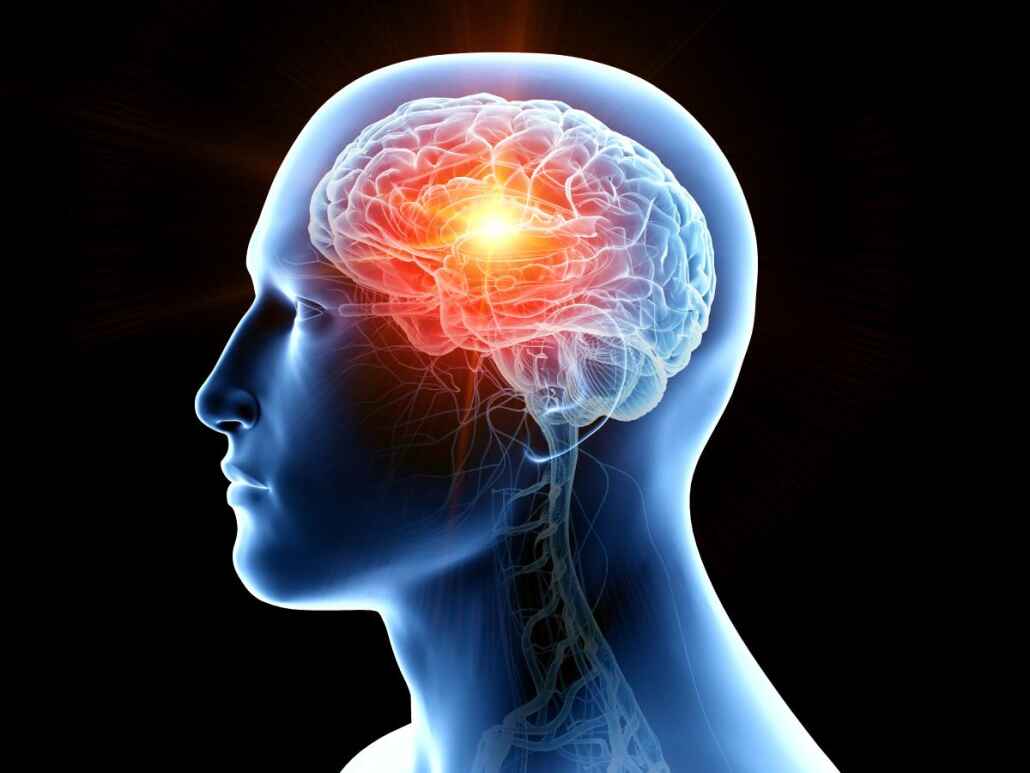
The Timeline of Brain Rewiring
The duration of rewiring the brain from addiction depends on several factors, including the type of substance abused, the length and severity of addiction, individual brain chemistry, and the person's commitment to recovery. However, research suggests that significant changes can occur within the first few months to a year of sobriety, with continued improvements over several years.
Short-term Changes (1-3 months):
Within the first few months of abstinence, the brain begins to show signs of healing. Neurotransmitter levels start to normalize, and cognitive functions like attention, memory, and decision-making begin to improve. Many individuals report increased mental clarity and emotional stability during this period.
Mid-term Progress (3-12 months):
As recovery continues, more substantial changes in brain structure and function become evident. The prefrontal cortex, responsible for impulse control and decision-making, shows increased activity. Cravings may diminish in frequency and intensity, and individuals often experience improved mood regulation and stress management.
Long-term Healing (1-2 years and beyond):
After a year or more of sobriety, the brain continues to adapt and heal. Studies using neuroimaging techniques have shown that brain volume in areas affected by addiction can increase, potentially reversing some of the damage caused by substance abuse. Cognitive functions continue to improve, and the risk of relapse generally decreases.
Factors Influencing the Rewiring Process
Several factors can impact the speed and effectiveness of brain rewiring:
- Type of substance: Different drugs affect the brain in unique ways. For example, alcohol addiction may take longer to overcome due to its widespread effects on the brain, while stimulant addictions might show faster initial improvements in cognitive function.
- Duration and severity of addiction: Longer-term and more severe addictions typically require more time for the brain to heal and rewire itself.
- Genetics and individual brain chemistry: Some people may be genetically predisposed to faster or slower recovery rates.
- Age: Younger brains tend to be more plastic and may recover more quickly than older brains.
- Co-occurring mental health conditions: The presence of other mental health disorders can complicate the recovery process and potentially extend the time needed for brain rewiring.
- Lifestyle factors: Diet, exercise, sleep quality, and stress management all play crucial roles in supporting brain health and recovery.
- Treatment approach: Engaging in evidence-based treatments, such as cognitive-behavioral therapy (CBT) or mindfulness practices, can accelerate the rewiring process.

Strategies to Support Brain Rewiring
While the brain naturally begins to heal with abstinence, there are several strategies that can support and potentially accelerate the rewiring process:
- Cognitive Behavioral Therapy (CBT): This evidence-based therapy helps individuals identify and change negative thought patterns and behaviors associated with addiction.
- Mindfulness and Meditation: Regular practice can improve focus, reduce stress, and promote neuroplasticity.
- Physical Exercise: Engaging in regular physical activity increases the production of brain-derived neurotrophic factor (BDNF), which supports the growth of new neurons and synapses.
- Healthy Diet: Proper nutrition, rich in omega-3 fatty acids, antioxidants, and essential vitamins, supports brain health and recovery.
- Quality Sleep: Adequate sleep is crucial for brain healing and consolidating new neural connections.
- Social Support: Engaging with supportive friends, family, or support groups can reduce stress and promote positive neuroplasticity.
- Learning New Skills: Engaging in novel activities and learning new skills can stimulate the growth of new neural pathways.
- Medication-Assisted Treatment (MAT): For some individuals, medications prescribed by healthcare professionals can help manage cravings and support the recovery process.
The Role of Neuroplasticity in Recovery
Neuroplasticity, the brain's ability to form new neural connections and reorganize itself, is the foundation of rewiring the brain from addiction. This process allows the brain to adapt and heal in response to new experiences and behaviors. As individuals in recovery engage in healthy activities and thought patterns, their brains gradually rewire to support these new habits.
It's important to note that while significant progress can be made in the first year of recovery, the brain continues to heal and adapt for many years. Some studies suggest that it can take up to seven years for the brain to fully recover from the effects of long-term addiction.
Challenges and Setbacks
The path to rewiring the brain from addiction is rarely linear. Many individuals experience setbacks or relapses during their recovery journey. It's crucial to understand that these challenges do not erase the progress made. Each period of sobriety contributes to the overall healing process, and learning from setbacks can strengthen one's commitment to recovery.
Conclusion
Rewiring the brain from addiction is a gradual process that typically spans several months to years. While significant improvements can be observed within the first year of sobriety, the brain continues to heal and adapt over an extended period. The timeline varies for each individual, influenced by factors such as the type and duration of addiction, genetics, age, and lifestyle choices.
By understanding the process of neuroplasticity and adopting strategies to support brain health, individuals in recovery can actively participate in their healing journey. It's important to approach recovery with patience, persistence, and compassion, recognizing that sustainable change takes time.
As research in neuroscience and addiction continues to advance, our understanding of brain rewiring in addiction recovery will likely deepen, potentially leading to more targeted and effective treatment strategies in the future.
Remember, if you or someone you know is struggling with addiction, it's essential to seek professional help. Addiction recovery is a complex process that often requires a multifaceted approach, including medical supervision, therapy, and ongoing support.